Resources / Insights
Blueprints for Change: What Neighborhood-Level Leaders Know About Transforming Communities
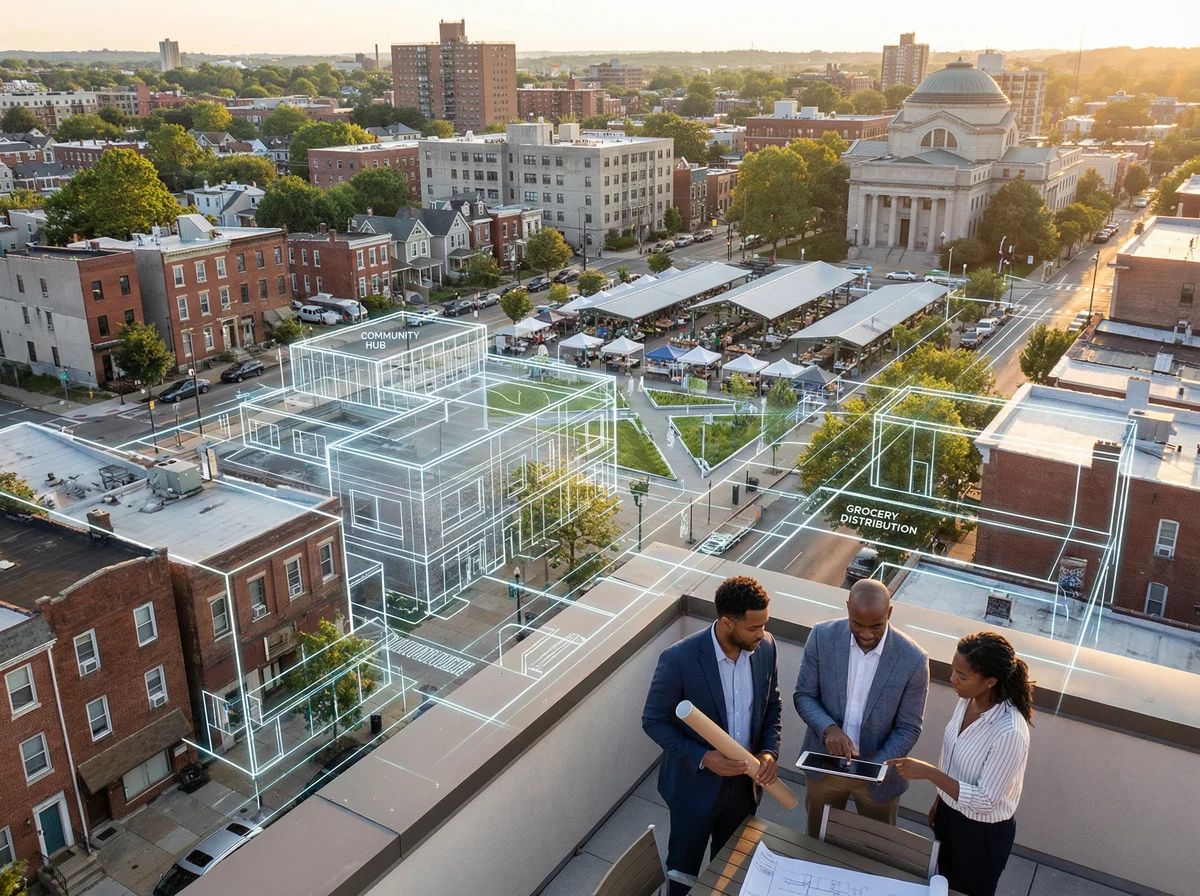
True neighborhood-level transformation is rarely the result of isolated projects. On the contrary, it emerges from an integrated strategy that treats education, housing, and health as a single, interconnected system.
At the Urban Muslim Minority Alliance (UMMA), this systemic approach was put to the ultimate test when the COVID-19 pandemic arrived at the beginning of its global surge. The crisis necessitated an immediate shift from a modest food pantry distributing 50 bags of non-perishables to a massive operation providing nearly 1,000 bags of groceries weekly. This was not just an increase in volume, but a commitment to quality and dignity, offering fresh fruits, vegetables, eggs, milk, and meats that fulfilled 80% of a typical family’s nutritional needs.
The growth was so rapid that it required the leasing of a dedicated second facility, known as the “Fresh Market,” illustrating how scalable systems must be agile enough to respond to sudden community volatility.
Planning Through Community Voice

The framework for this change was rooted in the discipline of urban planning, utilizing community feedback to move beyond guesswork and into data-driven solutions.
Through a series of surveys, the local community identified a desperate lack of affordable housing with more than two bedrooms, which forced larger families into cramped and unsuitable apartments. In response, the “Uplift” program was launched in 2020, focusing on the purchase and rehabilitation of single-family homes to meet UMMA’s standards.
This alignment of local needs with structured planning created a level of trust and professional credibility that allowed Lake County to step in as a primary partner, bankrolling more than 50% of the purchase and rehabilitation costs for the initial projects.
Building Infrastructure That Lasts
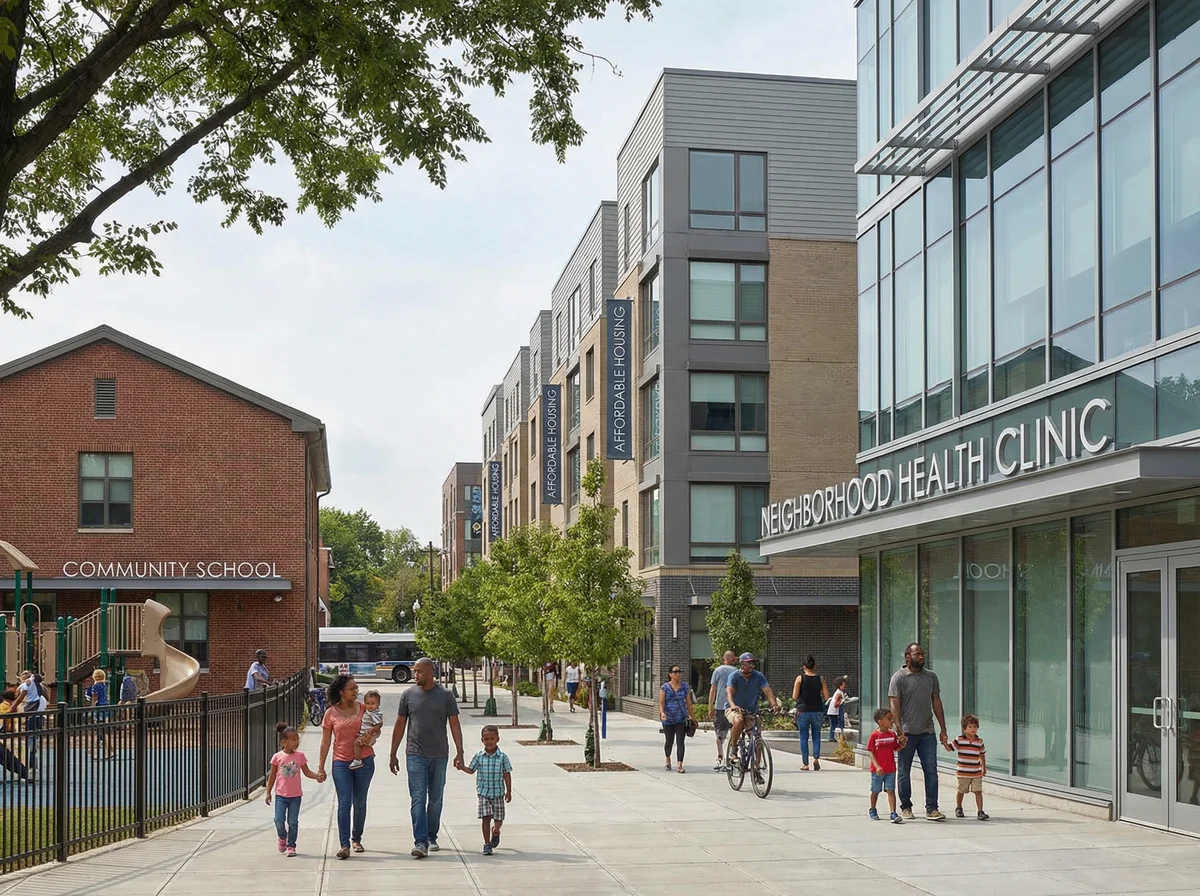
Sustaining this impact across economic cycles requires a focus on permanent infrastructure and civic collaboration.
This was exemplified by the strategic acquisition of a multi-unit apartment building which featured units designed for larger families. We were delivering to the community exactly what it asked for. Beyond providing housing, the building’s commercial space allowed the food pantry to move into a larger, permanent location, creating a physical anchor for the neighborhood.
This type of asset-based planning ensures that the organization is not merely reacting to a crisis, but building a lasting foundation that integrates essential services into the fabric of the community’s real estate.
Turning Operations Into Investment Narratives
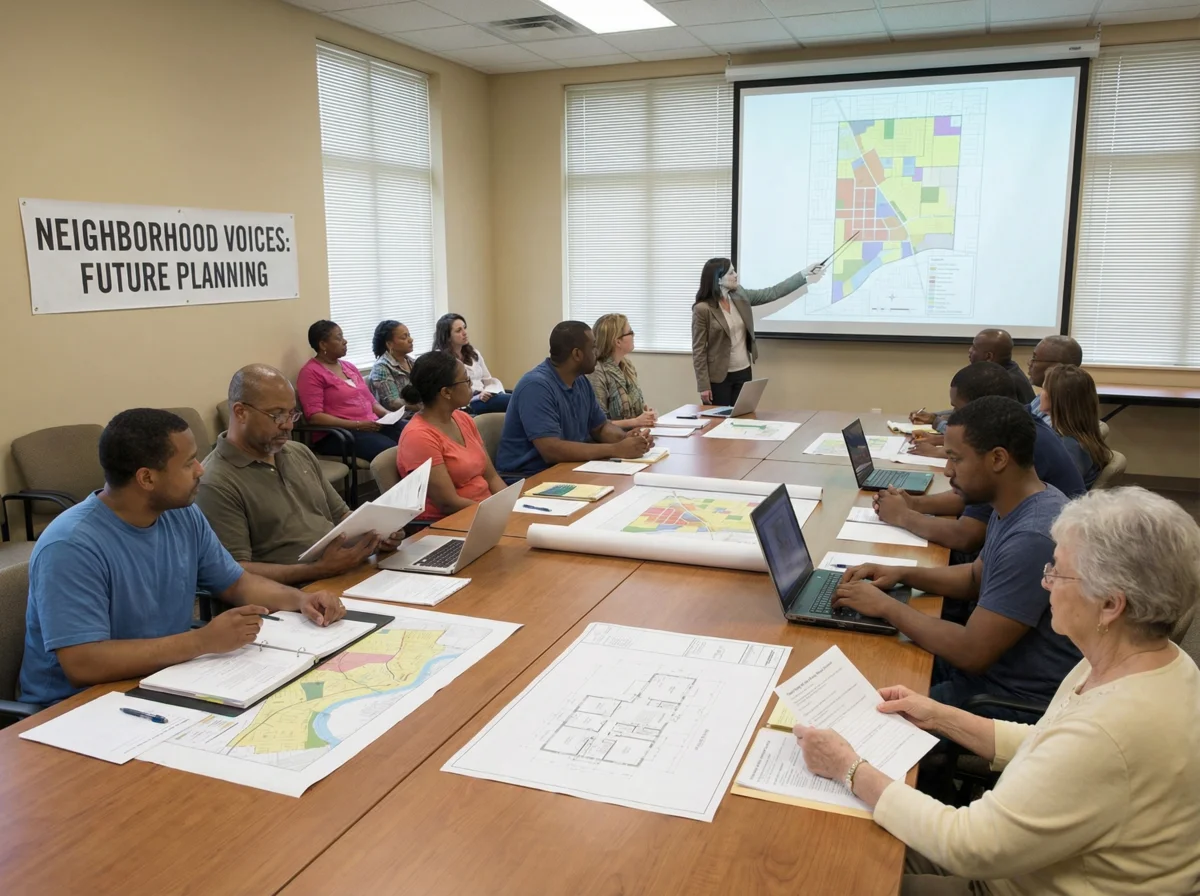
Ultimately, the human side of stewardship involves turning operational success into a compelling narrative for investment.
By demonstrating measurable outcomes and a clear blueprint for change, we were able to deepen relationships with existing donors and secure a catalog of six- and seven-figure donations. This financial stability was further strengthened by local governments that recognized the organization as a necessary commodity in the region.
When neighborhood leadership is empowered with structure and transparency, it transforms the role of the nonprofit from a simple service provider into a vital community architect, capable of turning prolonged uncertainty into a roadmap for resilience.
About the Author
Robert Montgomery is a highly accomplished nonprofit executive, published author, and fundraising leader with over 30 years of experience in organizational leadership, community development, and revenue generation. He has held senior leadership roles at organizations including the United Way, Boys & Girls Clubs, the Peoria Friendship House of Christian Service, the Urban Muslim Minority Alliance, and the Historic Pullman Foundation.
Robert has raised millions of dollars for mission-driven organizations through relationship-centered fundraising, strategic campaigns, and public speaking. His career includes leading major financial turnarounds, eliminating significant organizational debt, and building sustainable funding models rooted in trust and community engagement.
He began his fundraising journey as a minister at the Chicago Church of Christ, where he developed a deep appreciation for grassroots mobilization and authentic relationship-building. Robert holds a Bachelor of Arts in Urban Planning from the University of Illinois at Urbana-Champaign and a Master of Urban Planning and Policy from the University of Illinois at Chicago. His work continues to focus on creating practical blueprints that empower underprivileged communities through self-sufficiency, collaboration, and shared purpose.
Resources / Insights
Evidence-Based Leadership in the Social Sector: Moving Beyond Good Intentions
5 min

From Corporate CSR to Independent Foundations: What It Really Takes to Scale Impact
4 min

Five Conversations That Help Mission-Driven Organizations Balance Mission and Margin
4 min
Why Community Coalitions And Integrated Planning Are Essential For Lasting Neighborhood Transformation
3 min
Start with a free Impact Readiness
Review and uncover what’s holding
your systems back.