Resources / Insights
Why Community Coalitions And Integrated Planning Are Essential For Lasting Neighborhood Transformation
True community transformation occurs when a neighborhood stops being a collection of isolated projects and begins to function as an integrated, living system.
For more than fifty years, the Historic Pullman Foundation (HPF) served as a vital civic anchor, telling the story of a unique architectural and industrial heritage through museum exhibits and neighborhood tours while advocating for historic preservation. But the neighborhood’s designation as a National Monument, and later a National Park dramatically changed the mission.
During my time as Executive Director, this evolution required a new blueprint for leadership: one that balanced federal expectations with the urgent and evolving needs of a modern urban community.
At the same time, my earlier work at the Urban Muslim Minority Alliance (UMMA) reinforced another critical lesson. Whether responding to rapid development or navigating a public health crisis, real transformation occurs when organizations move beyond isolated programs and build systems capable of responding to community needs as they evolve.
From Isolated Organizations to Civic Coalitions
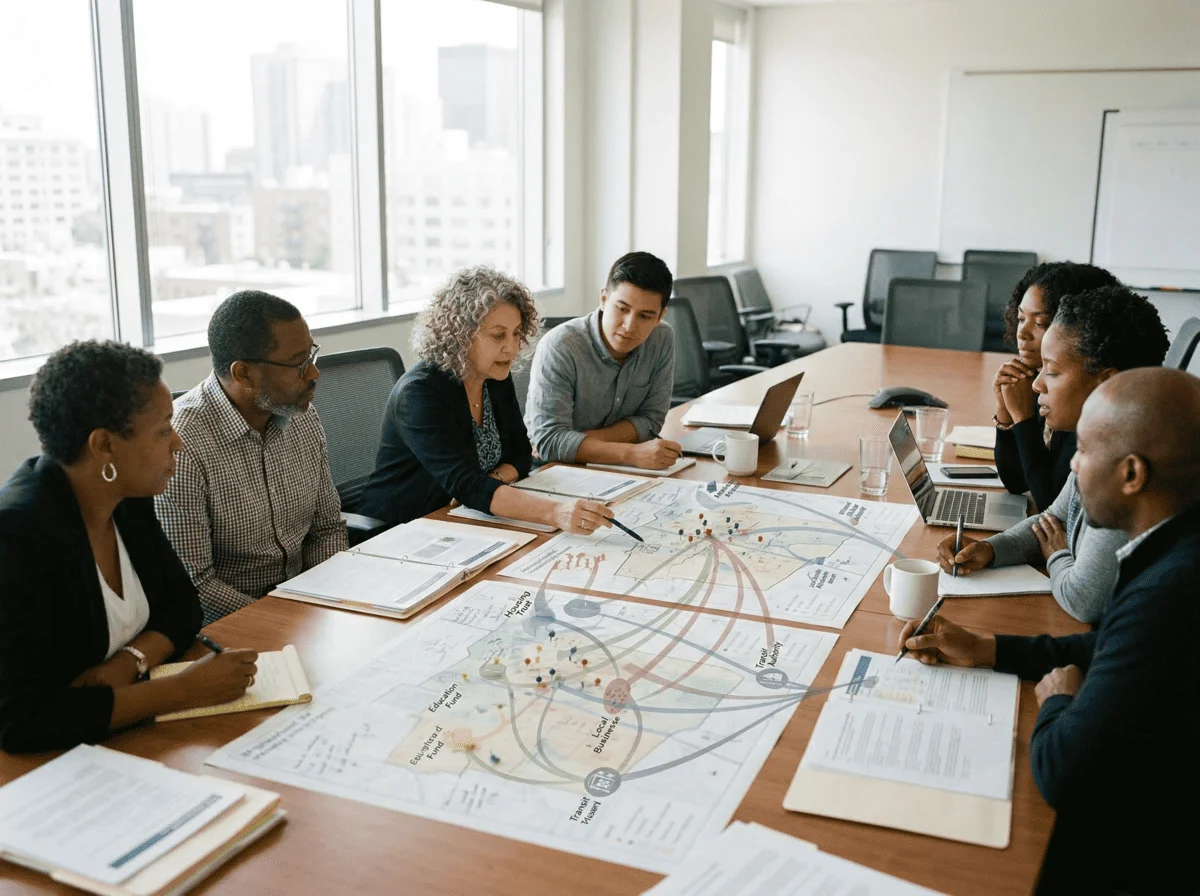
A significant lesson emerged while meeting with neighborhood organizations in Pullman. Many groups had individual relationships with the National Park Service (NPS), but we were often operating independently rather than as a unified force.
Meanwhile, nearly $10 billion in development was projected for the area over the coming decade, driven in large part by the visibility of the National Park designation.
Community leaders understood the importance of being present as those developments were envisioned. But influence required more than individual participation.
It required coalition.
Only when organizations came together as a coordinated civic voice did we begin to gain meaningful influence in conversations about the neighborhood’s future. This collective strength allowed HPF to expand beyond traditional preservation work into strategic advancement, becoming a lead agency capable of managing large-scale initiatives and representing community interests.
When Crisis Reveals the System
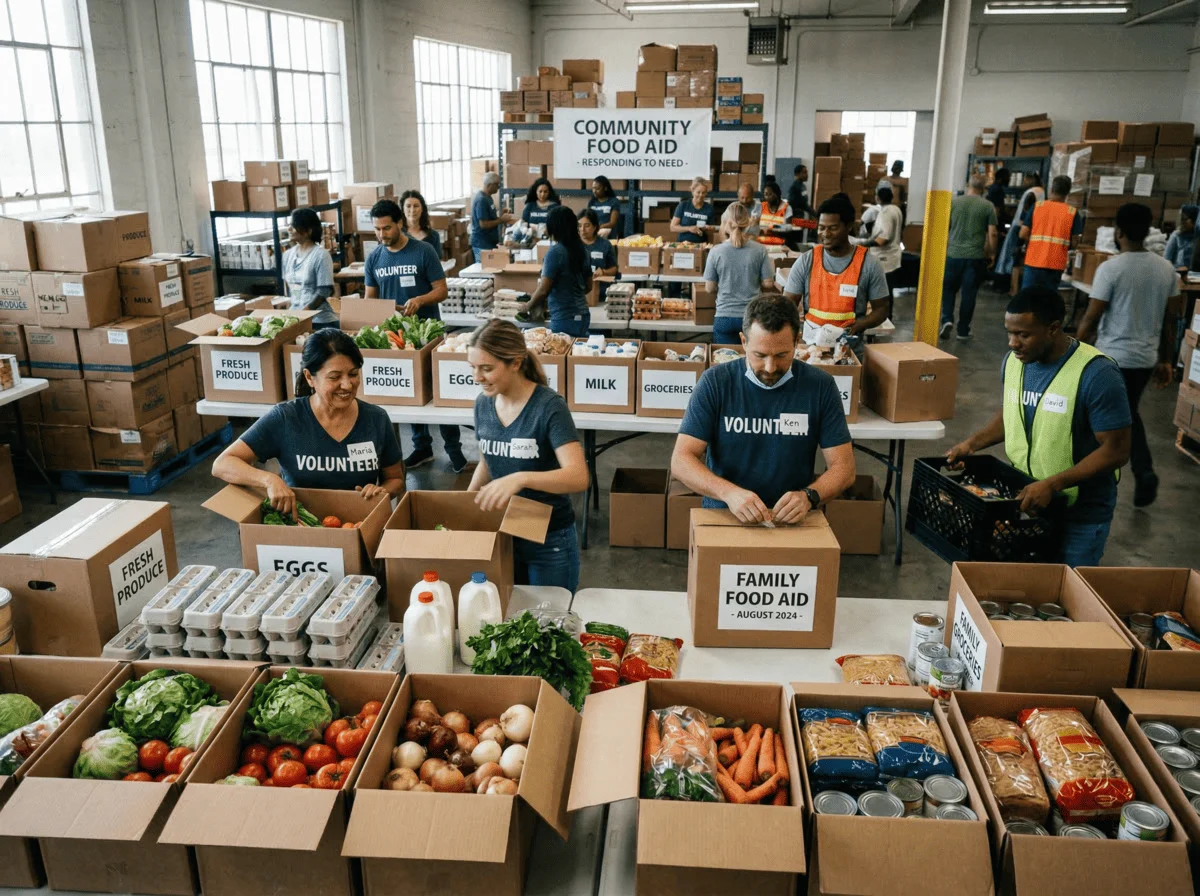
The importance of integrated systems became especially clear during my time at UMMA when the COVID-19 pandemic reshaped community needs almost overnight.
A modest food pantry distributing around 50 bags of non-perishable goods per week rapidly expanded into an operation providing nearly 1,000 bags of groceries weekly.
But the challenge was not simply scale.
It was maintaining dignity and quality. The program provided fresh fruits, vegetables, eggs, milk, and meat, meeting nearly 80% of a typical family’s nutritional needs.
The rapid expansion required leasing a second facility known as the Fresh Market, demonstrating that scalable systems must remain agile enough to respond to sudden community volatility.
Planning Through Community Voice
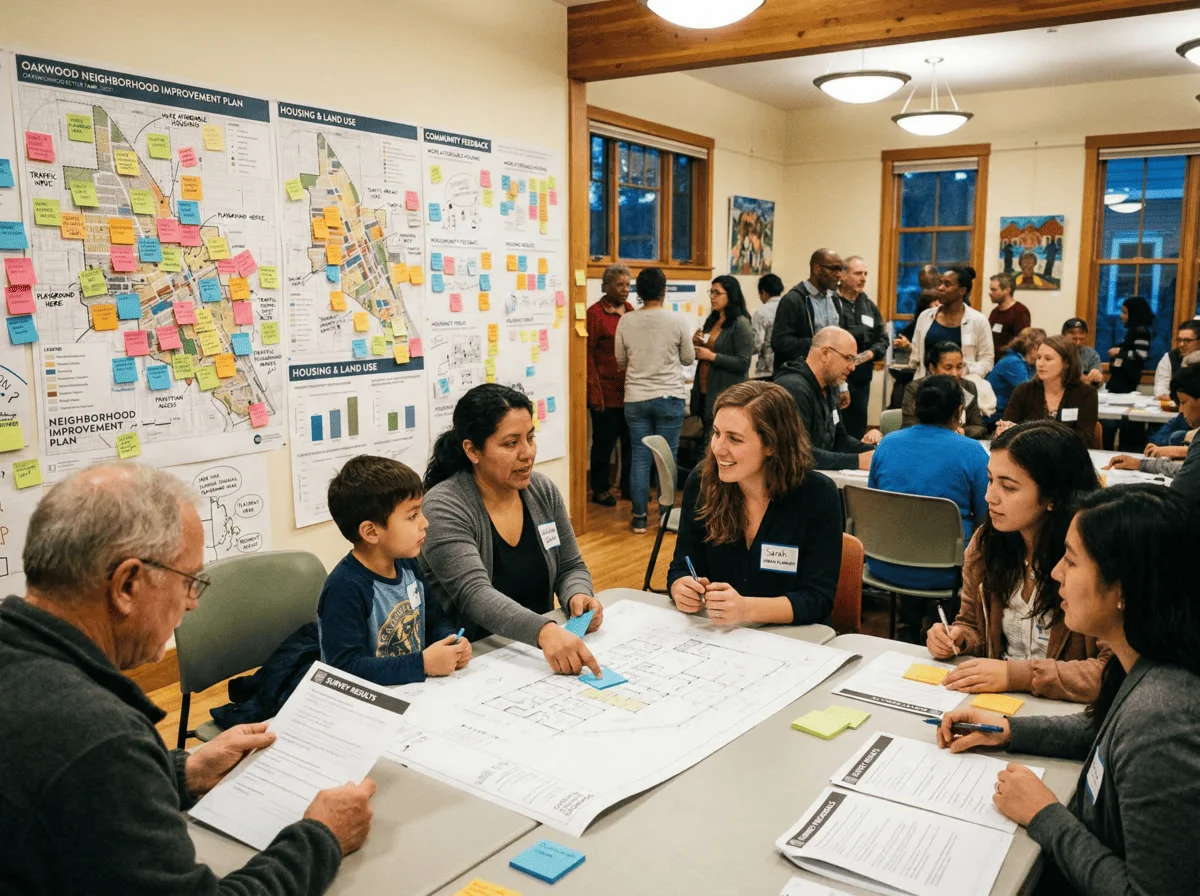
The framework for sustainable change was rooted in the discipline of urban planning.
Rather than relying on assumptions, the organization conducted surveys and gathered direct community feedback. One clear need emerged: a shortage of affordable housing designed for larger families.
Many households were forced into cramped apartments that could not meet their needs.
In response, the “Uplift” housing initiative launched in 2020, focusing on the purchase and rehabilitation of single-family homes that met the community’s needs.
Because the strategy was grounded in data and community voice, it built credibility with institutional partners. Lake County ultimately stepped forward as a key collaborator, covering more than 50% of the acquisition and rehabilitation costs for early projects.
Building Infrastructure That Lasts
Long-term impact requires permanent infrastructure.
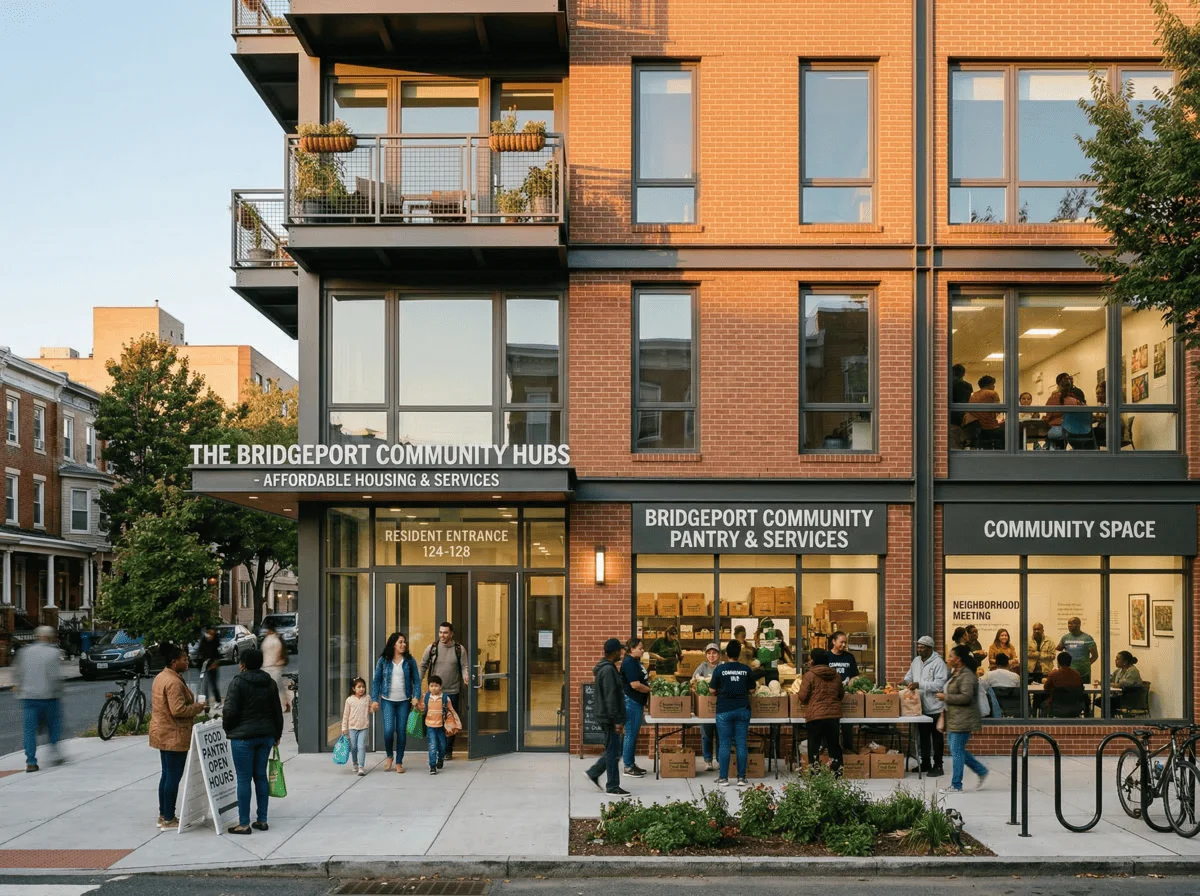
One example was the strategic acquisition of a multi-unit apartment building designed to accommodate larger families, the exact housing type residents had identified as missing.
Beyond providing housing, the building included commercial space that allowed the food pantry to relocate into a larger permanent facility, creating a stable neighborhood anchor.
This type of asset-based planning ensures that organizations are not merely responding to crises. They are building physical and institutional structures capable of sustaining services across economic cycles.
The Power of Place-Based Coalitions
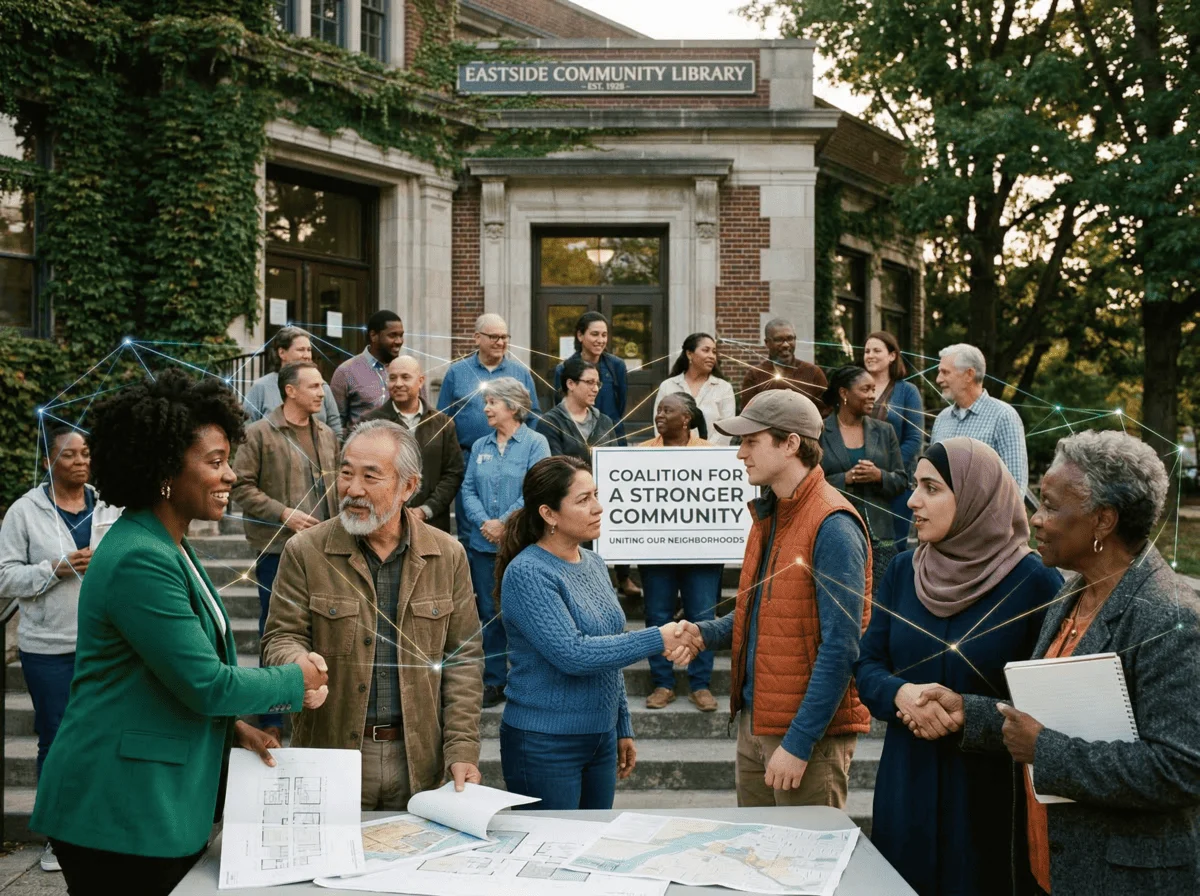
Community impact is rarely sustained through individual effort alone.
It is built through collaboration.
Acting as an “expert organization” for a National Park Superintendent, for example, requires far more than providing historical knowledge. It involves building relationships with multiple agencies and partners to ensure that the stories being told, and the investments being made reflect the full complexity of the community.
Coalitions amplify grassroots voices and help ensure that large investments serve long-term community interests rather than short-term aesthetic improvements.
As I often say:
“Community resilience emerges when local leadership is empowered with a clear structure and the trust of its stakeholders.”
Turning Operations Into Investment Narratives
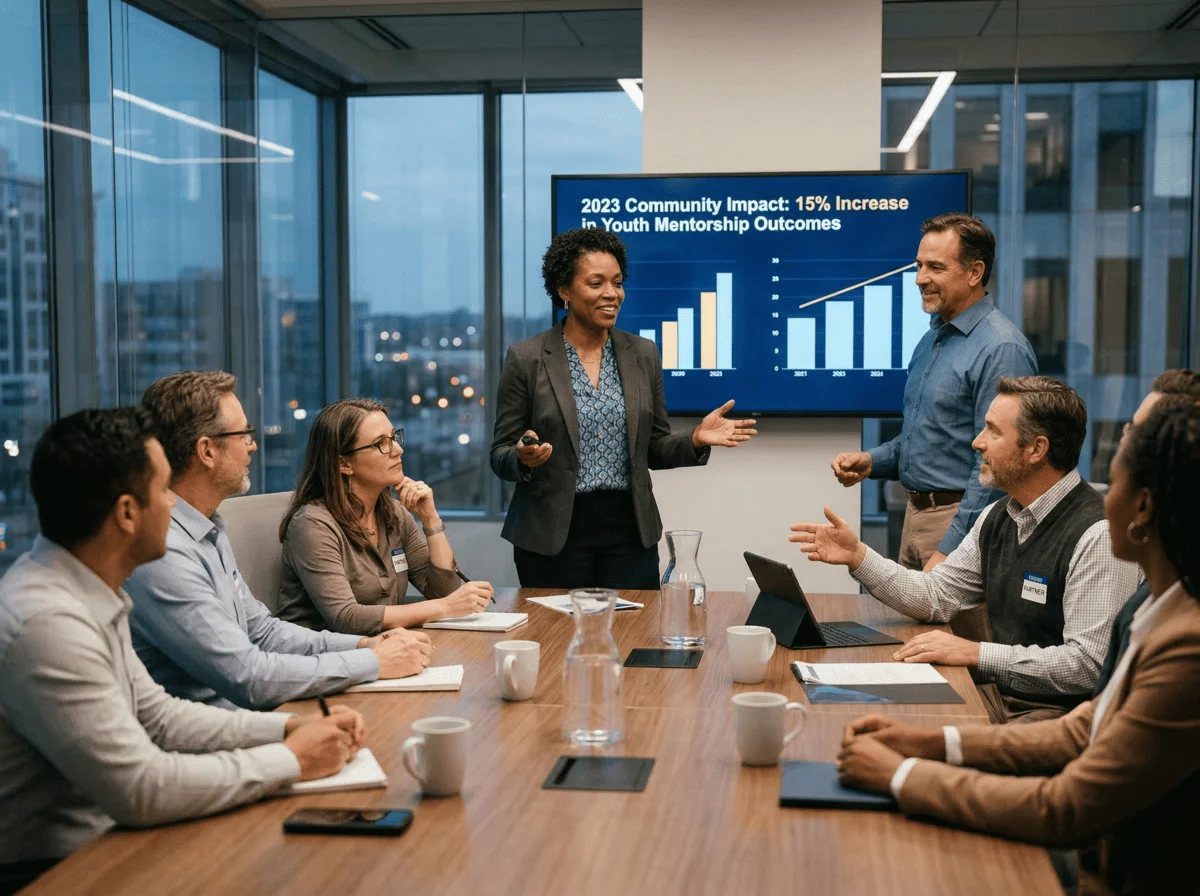
The human side of leadership involves translating operational success into a compelling narrative for investment.
By demonstrating measurable outcomes and presenting a clear blueprint for change, organizations can deepen relationships with donors and partners.
At UMMA, this approach helped secure a series of six- and seven-figure gifts, while also strengthening support from local governments that recognized the organization as a vital regional partner.
When neighborhood leadership combines structure, transparency, and community trust, nonprofits evolve from simple service providers into community architects capable of turning uncertainty into resilience.
A Blueprint for Resilient Communities
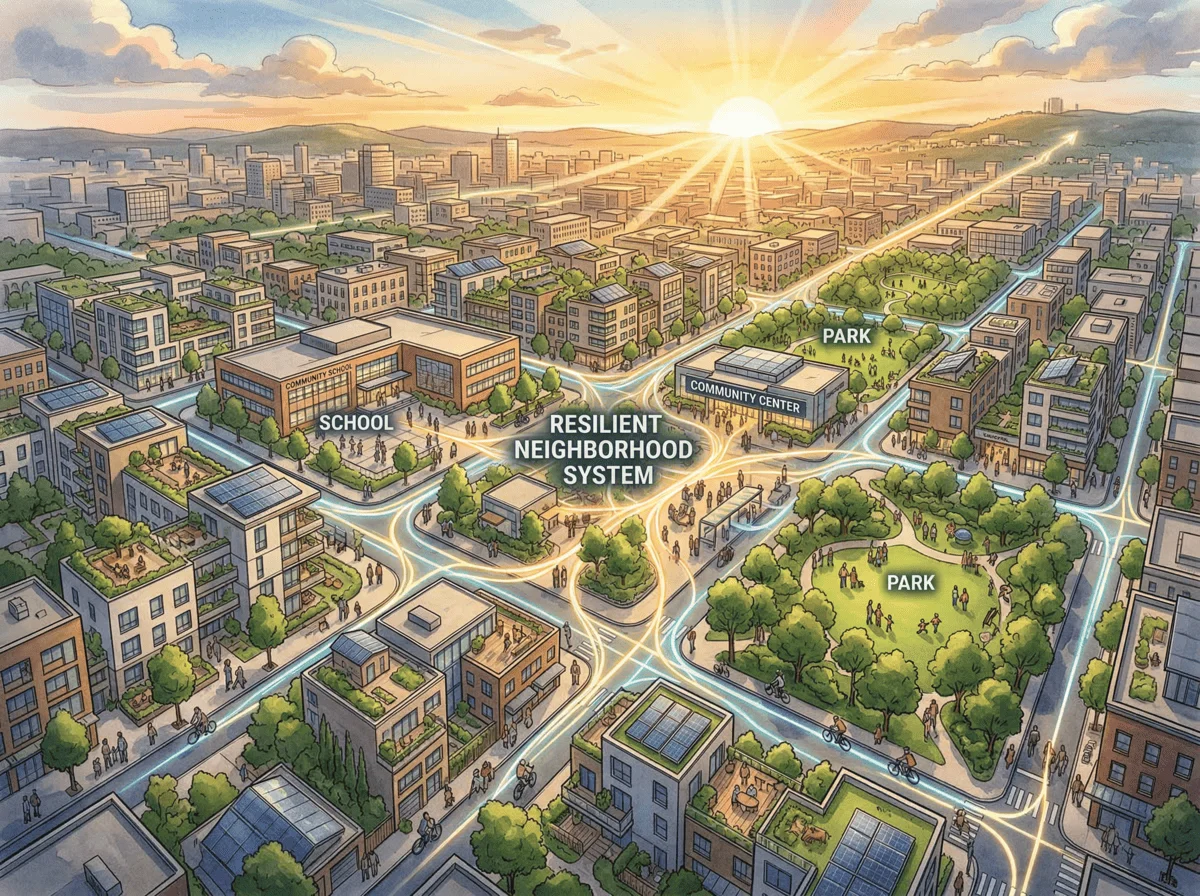
The experiences in Pullman and at UMMA reinforced a powerful truth: neighborhoods thrive when leadership combines local knowledge with disciplined planning.
When place-based expertise is supported by strong partnerships, professional systems, and collaborative coalitions, communities gain the ability to shape their own futures.
Rather than reacting to external change, they become active participants in defining it.
And when that happens, neighborhoods become more than collections of projects.
They become resilient systems capable of telling their own story while building their own future.
About the Author
Robert Montgomery is a highly accomplished nonprofit executive, published author, and fundraising leader with over 30 years of experience in organizational leadership, community development, and revenue generation. He has held senior leadership roles at organizations including the United Way, Boys & Girls Clubs, the Peoria Friendship House of Christian Service, the Urban Muslim Minority Alliance, and the Historic Pullman Foundation.
Robert has raised millions of dollars for mission-driven organizations through relationship-centered fundraising, strategic campaigns, and public speaking. His career includes leading major financial turnarounds, eliminating significant organizational debt, and building sustainable funding models rooted in trust and community engagement.
He began his fundraising journey as a minister at the Chicago Church of Christ, where he developed a deep appreciation for grassroots mobilization and authentic relationship-building. Robert holds a Bachelor of Arts in Urban Planning from the University of Illinois at Urbana-Champaign and a Master of Urban Planning and Policy from the University of Illinois at Chicago. His work continues to focus on creating practical blueprints that empower underprivileged communities through self-sufficiency, collaboration, and shared purpose.
Resources / Insights
Evidence-Based Leadership in the Social Sector: Moving Beyond Good Intentions
5 min

From Corporate CSR to Independent Foundations: What It Really Takes to Scale Impact
4 min

Five Conversations That Help Mission-Driven Organizations Balance Mission and Margin
4 min

The Pre-Campaign Phase Most Organizations Get Wrong Why Feasibility Studies Fail When Culture Is Misaligned
4 min
Start with a free Impact Readiness
Review and uncover what’s holding
your systems back.