Resources / Insights
Leading Through People: How Nonprofits Build Winning Cultures and Sustainable Teams
Nonprofit success ultimately hinges on its people, the staff, volunteers, and leaders who transform vision into impact. Yet, many nonprofits experience challenges like high turnover, burnout, and disjointed cultures that threaten mission delivery. A systems approach to People, Culture & Talent (PCTS) is no longer optional; it is crucial. By embedding intentional practices, operational discipline, and modern workforce insights, nonprofits transform into organizations with engaged, resilient, and motivated teams.
This article guides nonprofit leaders through the PCTS framework, blending practical tools, emerging trends, and strategic ideas to build healthier cultures and sustainable teams.

Why People and Culture Are Mission Critical
People power every aspect of nonprofit work, and culture forms the invisible thread binding performance, values, and community. Research consistently links healthy organizational culture to higher retention, improved innovation, and stronger financial performance. Moreover, a thriving culture enhances nonprofit reputations and community trust critical for donor support and partnerships.
Nonprofits face unique talent complexities - budget volatility, mission-driven pressure, and a tight labor market. Viewing people as strategic assets and culture as a system to nurture shifts nonprofits from reactive survival to proactive growth.
Building Systems That Support Talent and Culture
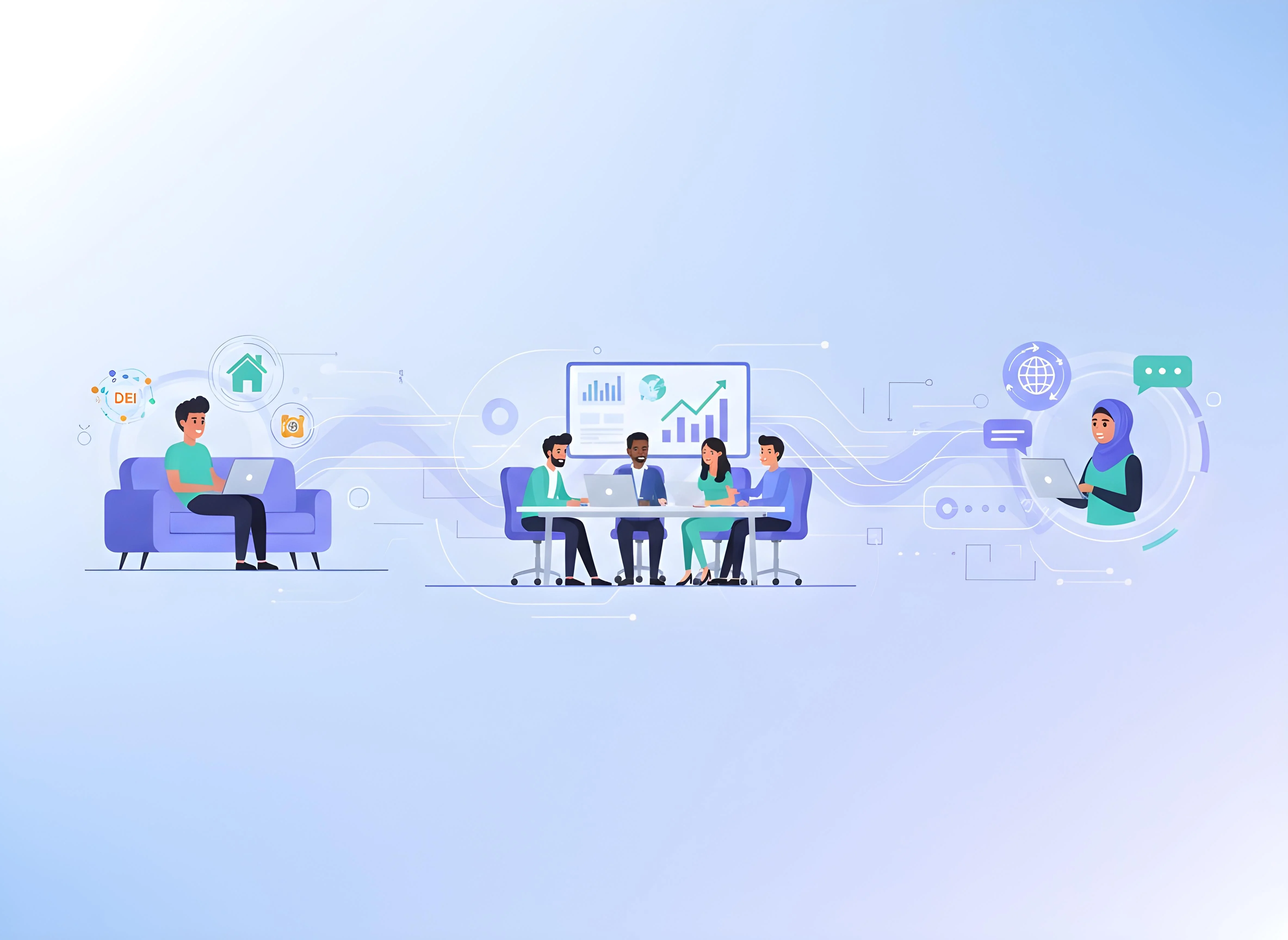
A robust PCTS framework integrates structured processes and leadership commitment:
- Structured Onboarding: Welcoming new hires holistically immersing them in mission, culture, and role sets the tone for engagement. Consistent onboarding reduces first-year turnover and accelerates productivity.
- Performance Management: Regular check-ins, clear expectations, and recognition embed accountability while inspiring growth. This system aligns individual goals with organizational priorities.
- Learning & Development: Investing in staff growth keeps teams agile and mission-aligned; from formal trainings to peer learning circles.
- Distributed Leadership: Building clarity around roles while encouraging decision-making at multiple levels prevents bottlenecks and fosters ownership.
Using systems thinking, nonprofits harmonize policy, process, and practice creating consistent, scalable talent management.
Talent Trends Influencing Nonprofits Today
Nonprofits operate in a new labor landscape shaped by:
- Remote & Hybrid Work: Flexibility demands clear communication rhythms and novel culture-building practices without a shared physical office.
- Diversity, Equity & Inclusion: DEI is integral to hiring, culture, leadership, and external relationships. Embedding equity fosters belonging and enhances impact relevance.
- Fractional & Interim Leadership: Resource constraints are leading nonprofits to adopt executive coaching, interim roles, and fractional HR leadership to maintain high-quality management.
Adapting to these trends proactively positions nonprofits for long-term stability.
Essential Tools & Practices
Even resource-constrained nonprofits can adopt accessible tools to support PCTS:
- Human Resources Information Systems (HRIS): Affordable platforms centralize people data, automate onboarding, and facilitate leave tracking.
- Engagement Surveys: Regular short pulse surveys provide near real-time feedback allowing leaders to address concerns rapidly.
- Collaboration Tools: Apps like Slack or Teams enable virtual connection, transparency, and project coordination especially in hybrid environments.
- Recognition Platforms: Formal systems for peer-to-peer and leadership recognition boost morale and reinforce values.
The right mix of technology amplifies human-centered leadership.
Real-Life Transformation
Consider a midsize nonprofit plagued by turnover and disengagement. Through adopting structured onboarding, engaging leadership development, and a refreshed DEI policy, employee satisfaction and retention both surged within one year leading to smoother program delivery and increased donor confidence.
Measuring and Reporting Culture and Talent Health
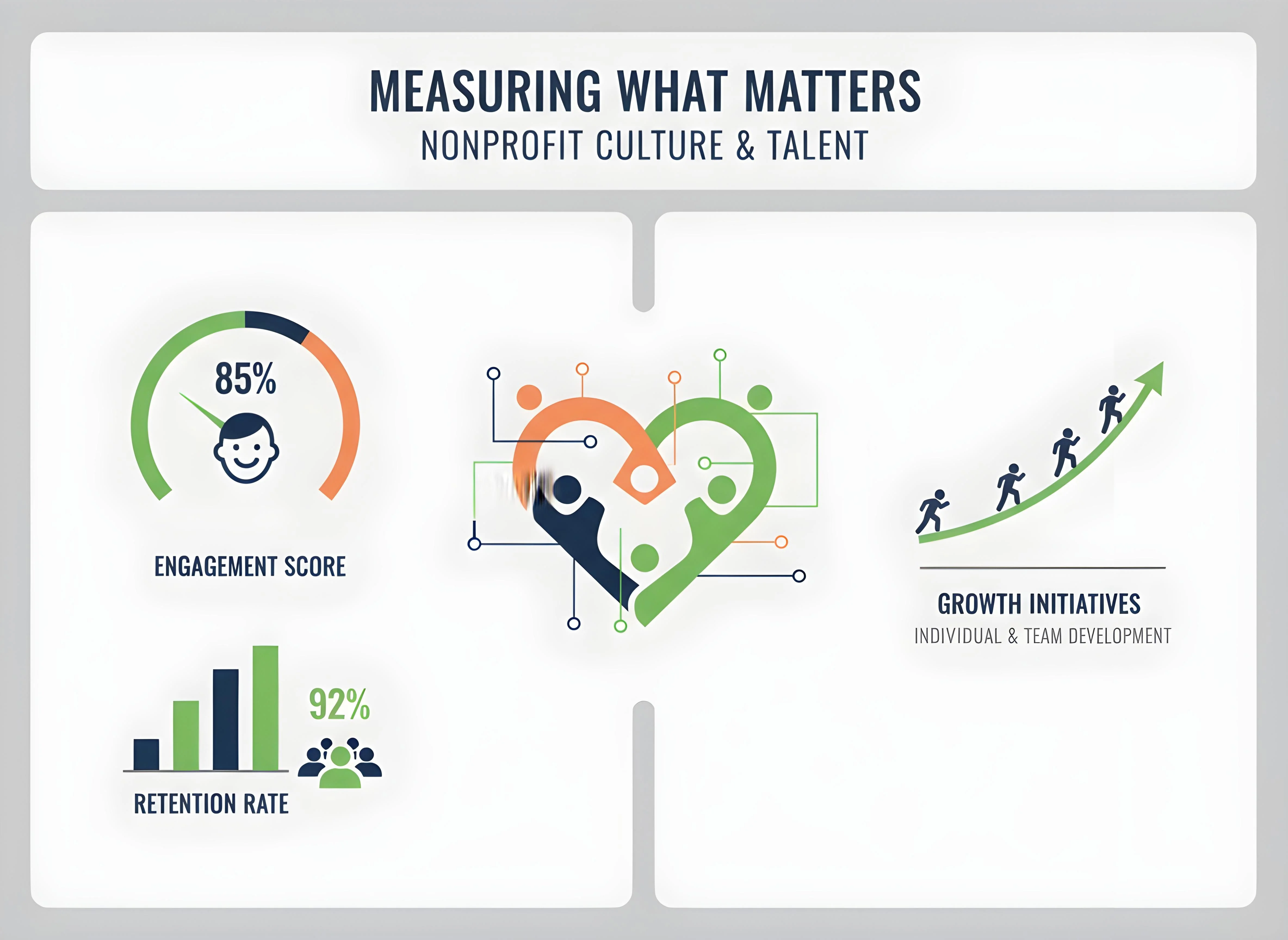
Data-driven culture measurement helps leadership course-correct and demonstrate ROI:
- Turnover Rates & Reasons: Disaggregated by role and tenure to focus retention efforts.
- Employee Net Promoter Scores (eNPS): Gauges loyalty and satisfaction.
- Engagement Survey Results: Insight into morale and workplace issues.
- Leadership Pipeline Health: Tracking internal promotions and succession readiness.
Clear dashboards and board reporting ensure people's strategies remain priorities.
Leadership Voices on Culture
Interviews with nonprofit HR and leadership experts underscore the need for visionary storytelling, transparency, and shared accountability. Leaders emphasize culture as an ongoing shared journey, not a one-off program.
Actionable Tips for Nonprofit Leaders

- Audit your culture and talent profile honestly identify gaps and strengths.
- Design a welcome and onboarding checklist focused on values and connections.
- Set rhythms for frequent informal feedback using pulse surveys.
- Invest in leadership coaching and mentoring.
- Host DEI learning sessions or book clubs.
Small shifts compound into sustained organizational excellence.
Conclusion
Effective nonprofit leadership embraces people and culture as mission-critical systems. A disciplined PCTS approach strengthens organizations from within, creating resilient, agile teams capable of navigating complexity and delivering greater impact.
By embracing strategic talent systems and prioritizing culture, nonprofits transform from fragile entities to vibrant communities propelled by shared purpose and energized leadership.
Takeaways:
- Culture and talent are strategic drivers, not HR chores.
- Modest investments in process and technology yield outsized returns.
- This approach strengthens retention, engagement, innovation, and mission success.
Resources / Insights
Mission First, Not Mission Only: How Nonprofit Leaders Can Navigate Crisis Without Drifting
4 min
Forging Resilience Across America: Strategic Insights on Nonprofit Capacity-Building and Sustainable Growth
3 min

Building Lasting Relationships: The Nonprofit Leader’s Guide to Donor Lifecycle Mastery
4 min
Resilient Nonprofits: Mastering Continuity and Internal Systems for Turbulent Times
4 min
Start with a free Impact Readiness
Review and uncover what’s holding
your systems back.