Resources / Insights
Planned Giving as a Long-Term Stability Strategy
Why Legacy Planning Is Philanthropy’s Most Underutilized Growth Lever
Institutional stability is rarely built through a single breakthrough gift.
More often, it is secured through long-term commitments that reflect trust across decades.
Planned giving remains one of the most powerful, and most underutilized tools available to nonprofit institutions. Despite the significant intergenerational wealth transfer underway, many organizations continue to prioritize immediate revenue over deferred, transformative commitments.
The barrier is rarely donor reluctance.
It is an institutional mindset.
When fundraising culture focuses exclusively on short-term performance, legacy strategy becomes peripheral rather than foundational.
Why Planned Giving Is Overlooked
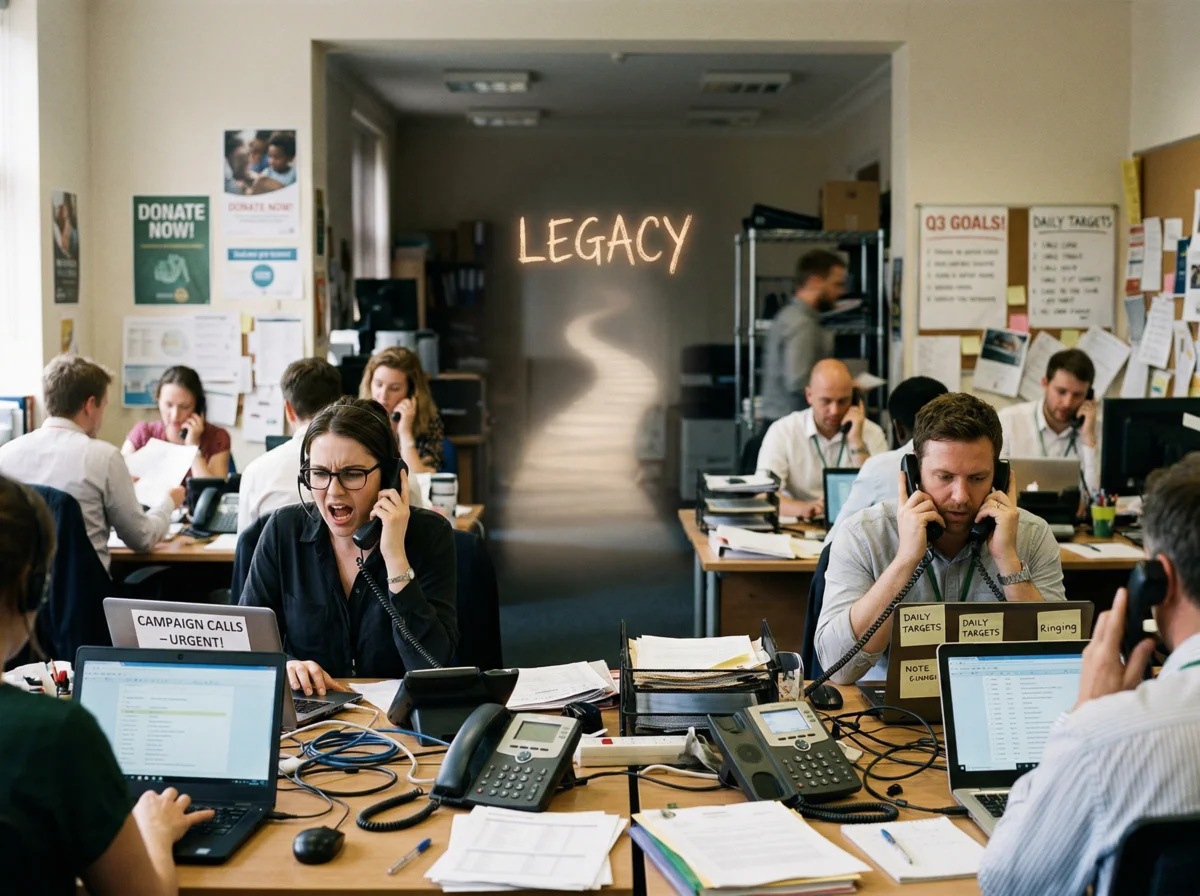
Several persistent assumptions limit growth in this area.
There is a belief that planned gifts are reserved for the ultra-wealthy. In practice, many legacy commitments come from middle-class donors who have given faithfully for years. Estate gifts frequently exceed cumulative annual contributions by multiples.
There is also hesitation around estate conversations. Fundraisers may worry about discomfort or complexity. Yet when approached with sensitivity and clarity, legacy discussions often deepen relationships rather than strain them.
Operationally, some institutions lack internal expertise or perceive planned giving as technically daunting. Without structure, clarity, and leadership endorsement, the program remains underdeveloped.
Planned giving is not avoided because it lacks potential. It is avoided because it requires patience and discipline.
Designing a Legacy Program That Endures

A sustainable planned giving program begins with leadership alignment.
Board and executive leadership must recognize legacy commitments as strategic assets, not incidental gifts. When leadership communicates long-term vision, donors gain confidence that their future commitments will be stewarded responsibly.
Effective programs typically include:
- Clear identification of loyal, long-term donors
- Dedicated website and communication materials
- Stories that normalize legacy commitments
- A recognition structure, such as a legacy society
- Defined gift acceptance policies
At its core, planned giving is relationship architecture. It formalizes trust that has been cultivated over time.
Integrating Annual, Major, and Planned Giving
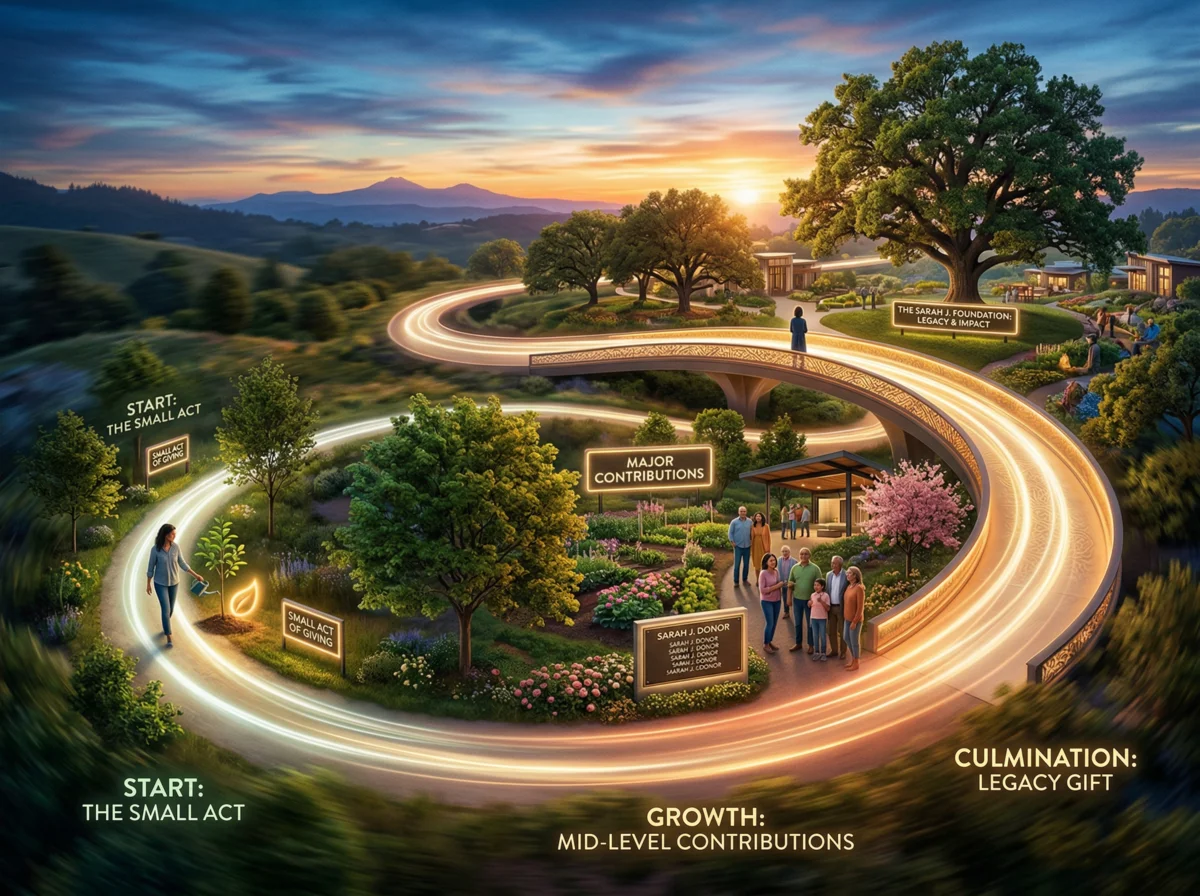
Fundraising is cyclical, not linear.
Annual donors often evolve into major contributors. Major donors frequently become legacy investors. When these pipelines operate independently, opportunity is fragmented.
Integration requires collaboration across teams. Annual giving officers must recognize long-term loyalty patterns. Major gift officers should be comfortable discussing estate intentions. Messaging across appeals and campaign materials should consistently reference legacy opportunities.
The “double ask” - inviting both immediate and future support reframes giving both present action and lasting impact.
When development programs operate as interconnected systems rather than isolated functions, institutional resilience increases.
How Digital Tools Are Reshaping Estate Conversations
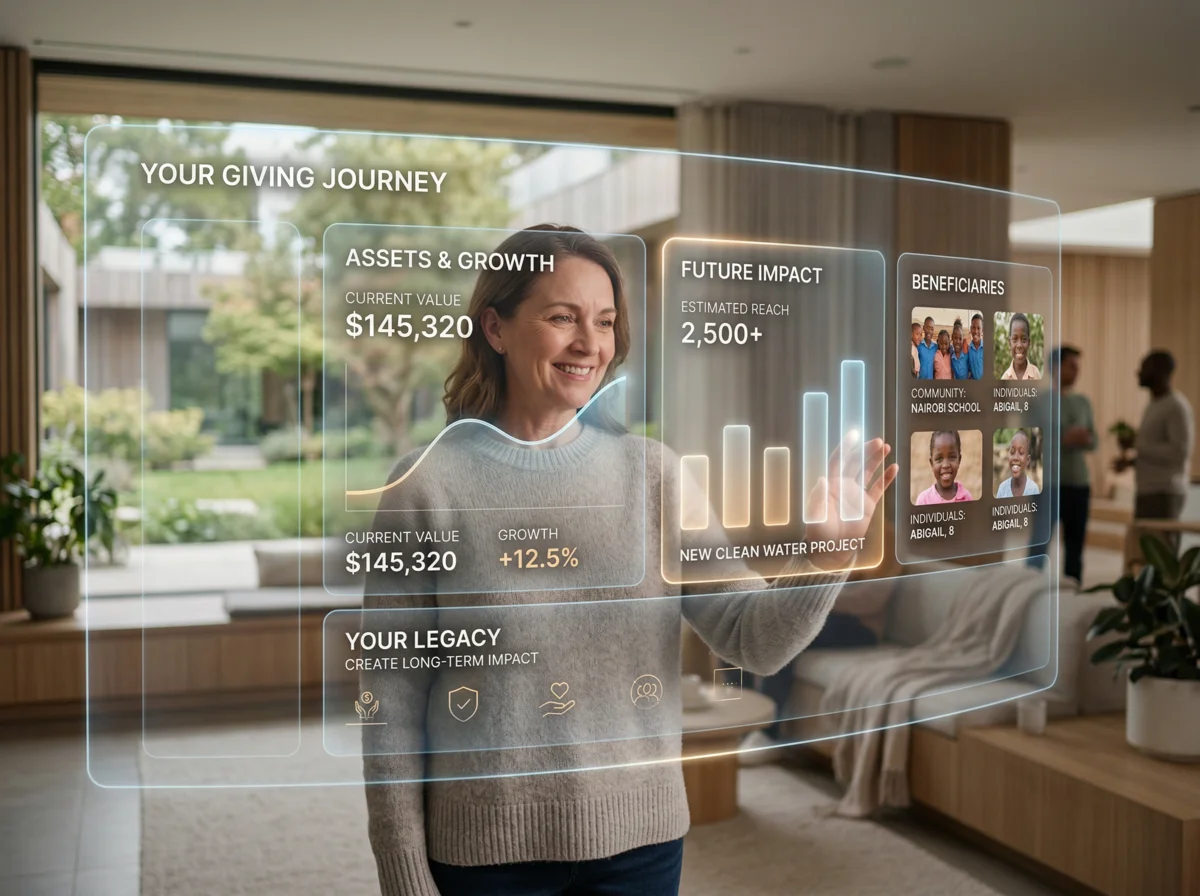
Technology is transforming estate planning from a static, document-heavy process into a collaborative and interactive experience.
Secure platforms now centralize documentation and allow advisors, donors, and institutions to engage transparently. Digital planners help visualize asset distribution, reducing anxiety around complexity. Tools for managing digital assets recognize that legacy now includes more than physical wealth.
These innovations do more than streamline paperwork. They shift the tone of conversation from transaction to partnership.
Planned giving, when thoughtfully integrated and technologically supported, becomes a long-term stability strategy, not an afterthought.
Organizations that embrace this perspective position themselves to convert generational trust into generational impact.
About the Author
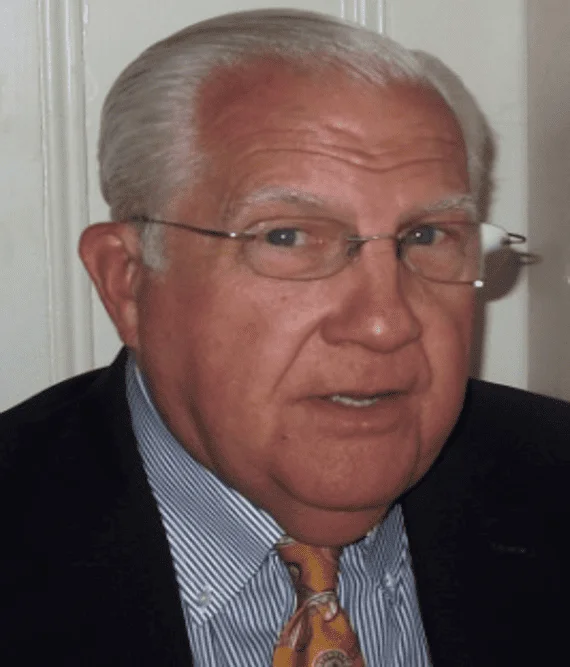
Thomas R. Giddens is a seasoned development executive and fundraising strategist with leadership experience across higher education, performing arts, healthcare, environmental, and cultural institutions.He has served as Chief Development Officer at two institutions of higher education, including one with a campus and fundraising program based in London, as well as Director of Planned Giving at a major university. His leadership experience also includes serving as chief development officer for a major orchestra and the fifth largest performing arts center in the United States.
Through his consulting practice, TRG Consulting, he has advised public and private institutions nationally and internationally on feasibility studies, pre-campaign planning, campaign management, digital fundraising strategy, and the integration of annual, major, and planned giving programs. His work centers on strengthening institutional alignment, governance discipline, and donor confidence as foundations for long-term philanthropic success.
Resources / Insights




Start with a free Impact Readiness
Review and uncover what’s holding
your systems back.