Resources / Insights
Rural Education as an Economic Strategy
Why investing in rural learning is a growth engine, not a social add-on
By Rosa Rivas
When rural education enters the policy conversation, it is almost always framed as a social initiative. A matter of equity. A humanitarian obligation. These framings are not wrong, but they are incomplete, and that incompleteness has real consequences for how seriously governments and funders treat education as an investment.
The evidence is clear: rural education is one of the most powerful economic development strategies available. In communities where agriculture is the primary livelihood, where smallholder farmers produce a third of the world's food on less than 12 percent of agricultural land, and where climate vulnerability is highest, education is not background context. It is the mechanism through which productivity improves, resilience is built, and generational poverty is broken.
According to the World Bank, each additional year of schooling increases a person's annual earnings by around 9 percent. Increased education directly accounts for 70 percent of income gains for the world's poorest populations. Every dollar invested in education increases GDP by approximately 20 dollars. These are not social outcomes. These are real economic outcomes, and rural communities are precisely where the returns are highest because the baseline is lowest .
Education as a System, Not a Project
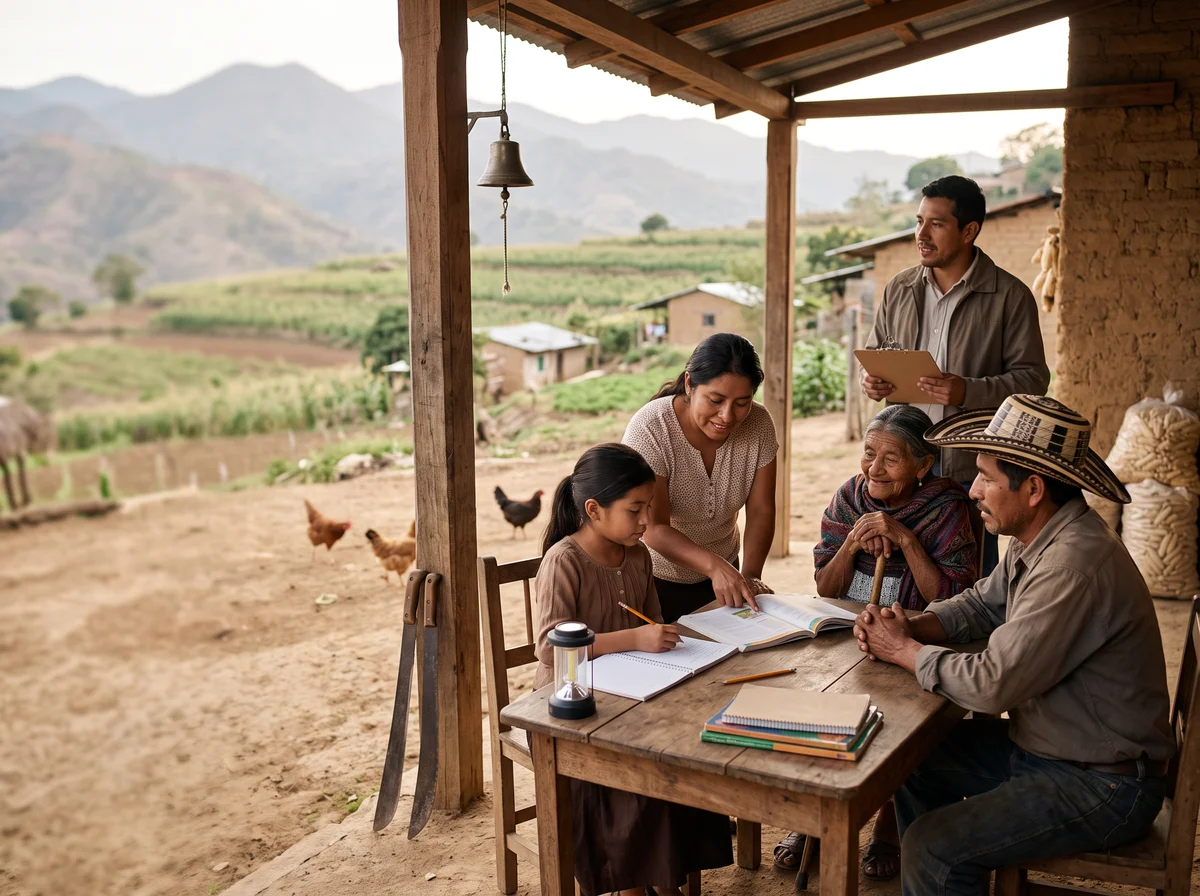
Education is a long-term investment that families, communities, and governments should hold as a sustained priority, not a short-term program with a defined end date. When I refer to education, I mean all its phases and forms, from the values children absorb at home in their earliest years through to graduate-level preparation for professional life.
Through education, communities build not just knowledge but character, competencies, and the capacity to adapt. The right to education, enshrined in the United Nations Convention on the Rights of the Child, means more than physical access to a school building. It means accessible, free, and quality education for every child, in every context, including and especially rural ones.
What makes education distinct from most other investments is that its effects compound. An educated child does not just benefit individually. She becomes a parent who educates her children differently, a farmer who manages land with more sustainable practices, a community member who understands rights, and participates in governance. Education does not change one child. It changes the communities those children are part of and help to build with their skills and capacities gained through education.
This means the system around children must also be engaged. Parents, local leaders, government agencies, and funding institutions all sit within the educational ecosystem. Educating children while leaving those systems unchanged produces weaker, shorter-lived results. Educating the whole system produces something more durable.
Why Rural Communities Are the Highest-Stakes Classroom
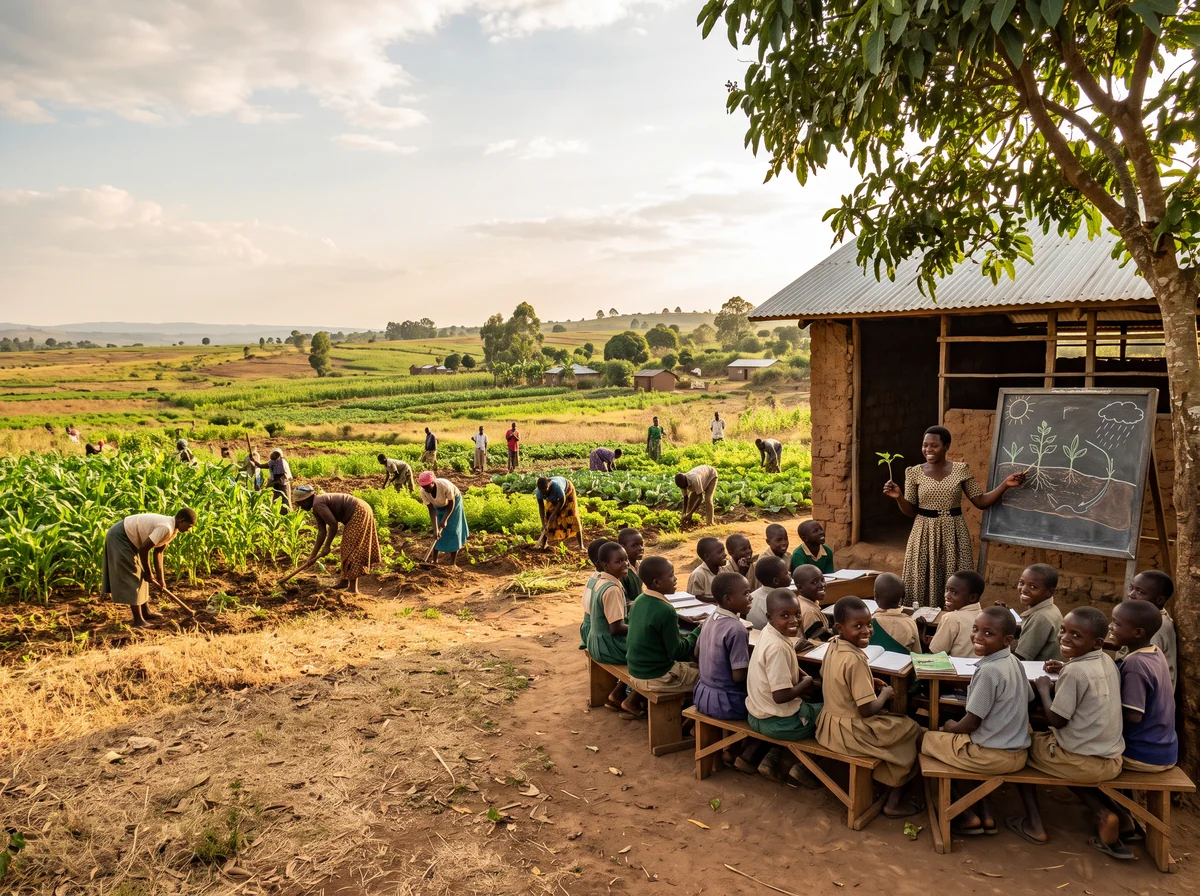
Sixty-seven percent of the population in low-income countries lives in rural areas, and 80 percent of them depend on agriculture for their livelihoods. These are the communities most exposed to climate shocks, most dependent on food systems, and most underserved by existing educational infrastructure.
Rural learners face teacher shortages, underfunded schools, greater distances to secondary institutions, and the constant tension between attending school and contributing to household agricultural activities. The result is a persistent education gap: rural youth complete two to four fewer years of schooling than their urban peers. Seventy percent of children in low-income countries cannot read a simple text by age ten, a foundational deficit that forecloses access to technical and vocational training later in life.
Agricultural sustainability is intrinsically tied to this gap. Smallholder farmers, who are essential to global food security, face the lowest productivity, highest poverty, and greatest climate vulnerability of any agricultural group. The skills required to improve their situation, climate-smart farming techniques, sustainable land management, market access strategies, water management, do not emerge from tradition alone. They require knowledge and skills developed through education.
Global food demand is projected to increase by 50 percent by 2050, and most of that growth must come from productivity improvements in the Global South, not land expansion. The path to that productivity runs directly through rural classrooms.
Technical Education and the Generational Shift
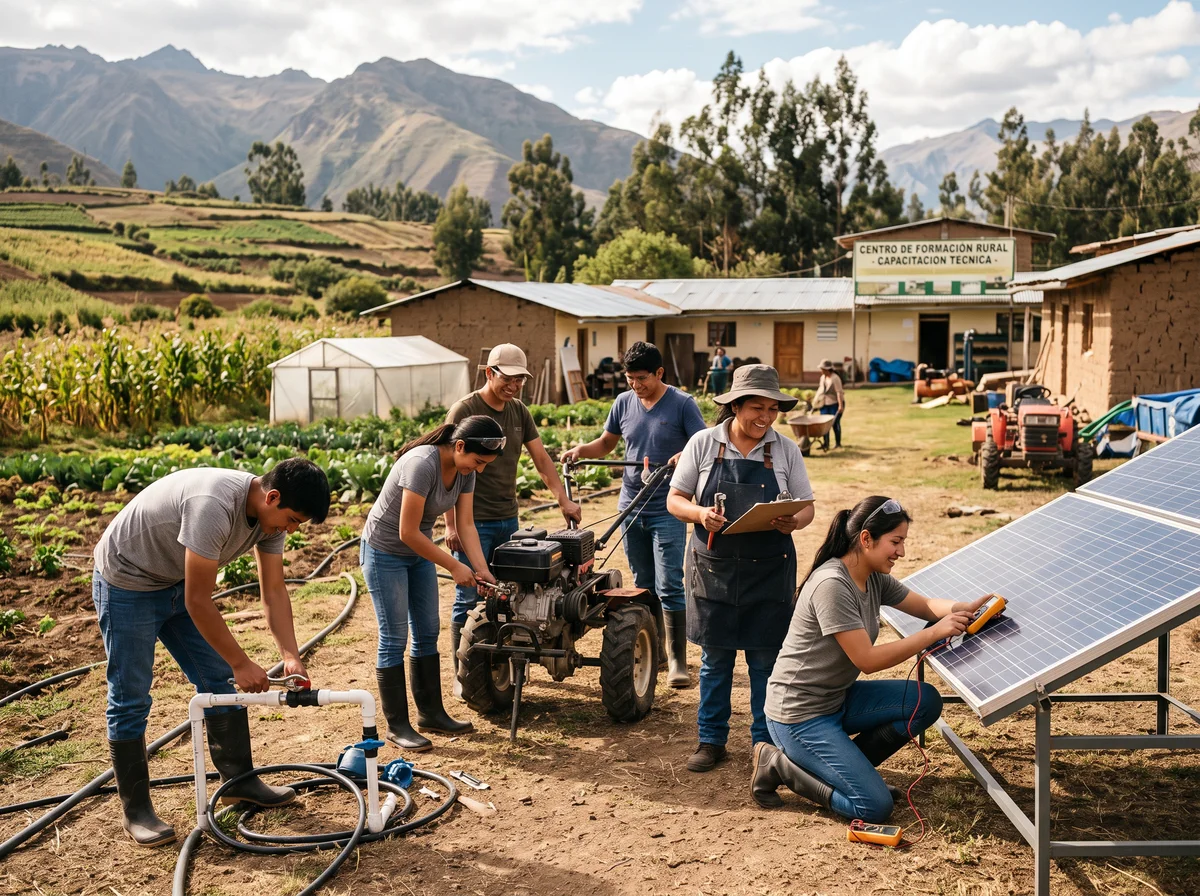
Access to technical and vocational education is where rural communities stand to gain the most and currently receive the least. The economic case is straightforward: rural youth with vocational training are two to three times more likely to secure stable employment compared to those with only primary schooling. Technical training builds local economic resilience by anchoring skilled employment within communities rather than pushing youth toward urban migration.
The case extends further than employment. Training in renewable energy, water management, and sustainable farming increases climate resilience directly. Youth who learn agro-processing skills can add value to agricultural products locally, creating micro-enterprises that diversify household income. Skilled trained people maintain the essential infrastructure, power, water, construction, transport, that rural communities depend on. And technical education creates accessible pathways for groups that are most often excluded: women, youth, and marginalized populations.
Perhaps most importantly, technical education strengthens the connection between young people and their communities. When youth have skills that are useful locally, they have reasons to stay. When they stay, they bring new capacity to existing systems rather than leaving those systems depleted.
The World Economic Forum estimates that 50 percent of current jobs and workers' skills will be disrupted by technology and automation within five years. Rural youth without technical training are not just behind today. They are being left further behind with each passing year. The window for action is now, and it is closing.
Why Community Buy-In Determines Whether Programs Last
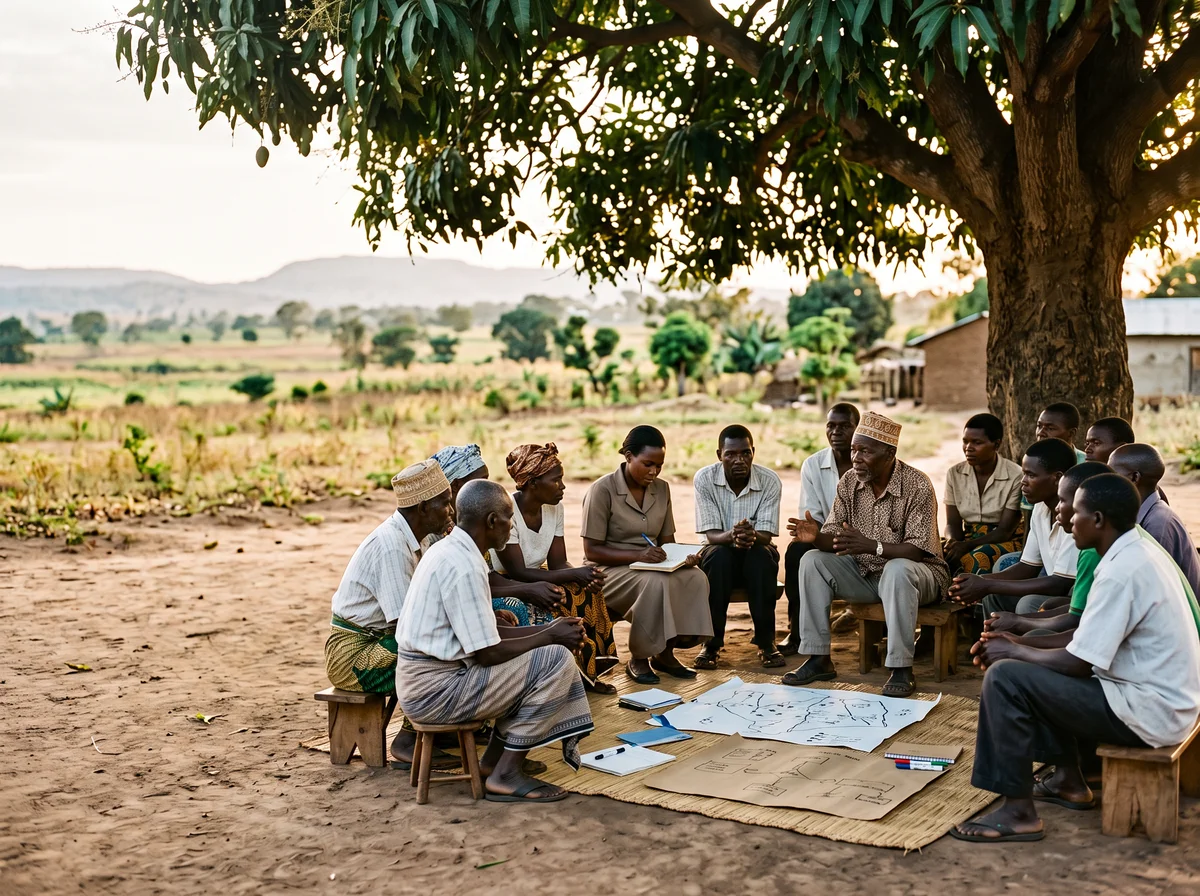
The most technically sound education program will underperform if the community it is designed to serve was not genuinely consulted in its design phase. Knowing the communities you want to work with is not a preliminary step before the real work begins. It is the foundation on which everything else rests.
Community assessments reveal what external planners almost never know: the real texture of daily life, the pressures families are navigating, the seasonal rhythms that affect attendance, the cultural norms that shape how knowledge is shared and received. This understanding is not incidental to program design. It determines whether a program is adopted or quietly ignored.
A useful frame here is the concept of Funds of Knowledge, developed by researchers Luis Moll, Cathy Amanti, Deborah Neff, and Norma Gonzalez through their work with Mexican and Mexican-American households. Rather than approaching rural and low-income communities through a deficit lens, the Funds of Knowledge framework recognizes that families hold deep practical knowledge rooted in their daily lives, work, survival strategies, and cultural traditions. Effective programs build on that knowledge rather than bypassing it.
Community assessments and Theory of Change development are deeply connected. The assessment generates the insights needed to define the problem honestly, identify root causes, map local assets, and validate assumptions before resources are committed. In rural agricultural communities, where livelihoods depend on local knowledge and climate resilience, this grounding ensures that programs respond to real needs rather than projected ones.
Communities that are active participants in a program, rather than passive beneficiaries of it, behave differently. They protect the program when external funding shifts. They adapt when circumstances change. They sustain it when the implementing organization leaves. That difference, between a program that lives and one that ends with the grant cycle, almost always traces back to how the community was engaged at the beginning.
Building Partnerships That Hold
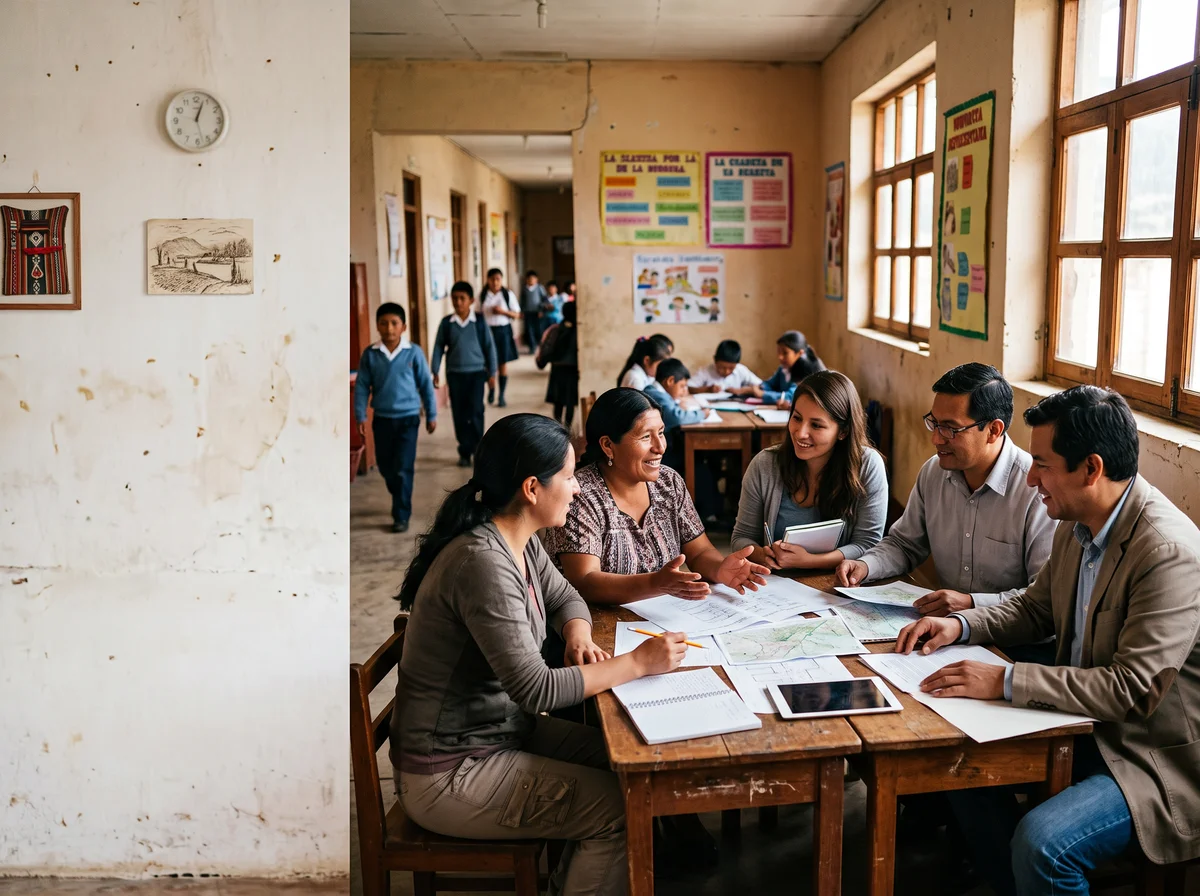
Identifying key actors in a community is as important as understanding its needs. Community structure, existing roles, and lines of responsibility all shape what partnerships are possible and what form they should take. Education programs that do not map this landscape carefully tend to create parallel structures that eventually compete with or undermine existing ones.
The public sector is a non-negotiable partner in any education initiative. Governments set the regulatory and compliance framework within which all organizations operate. More importantly, public institutions are what remain after funding cycles end. Establishing and maintaining relationships with Ministries of Education, local government bodies, and public service providers is not administrative courtesy. It is the mechanism through which program outcomes survive beyond the program itself.
The private sector brings resources, networks, and a different kind of accountability to education partnerships. Corporate partners with genuine stakes in regional stability, food systems, or workforce development are often more motivated than they appear. The challenge is designing partnerships that are specific enough to be actionable and structured enough to survive leadership changes on both sides.
Nonprofit organizations sit between these two, providing implementation capacity, community trust, and specialized expertise that neither government nor business typically has in rural contexts. The most durable education programs are those where the roles of each actor are clearly defined, genuinely understood by all parties, and formalized in agreements that outlast individual relationships.
Rural education works when it is treated as shared infrastructure rather than a project any single actor owns. The communities it serves have the most at stake and, with the right design, the most to contribute. The goal is not to build programs for rural communities. It is to build the conditions under which rural communities can build their own futures.
References to add for the full article in your web:
FAO. (2018). The future of food and agriculture: Trends and challenges. Food and Agriculture Organization of the United Nations.
ILO. (2019). Skills for rural employment: Global evidence. International Labour Organization.
Moll, L., Amanti, C., Neff, D., & Gonzalez, N. (1992). Funds of knowledge for teaching: Using a qualitative approach to connect homes and classrooms. Theory Into Practice, 31(2), 132–141.
UNESCO. (2021). Education in rural contexts: Global monitoring report. United Nations Educational, Scientific and Cultural Organization.
UNESCO. (2024). Why investing in education is critical. United Nations Educational, Scientific and Cultural Organization.
UNICEF. (2020). Learning poverty: The global state of basic literacy. United Nations Children’s Fund.
United Nations. (1989). Convention on the Rights of the Child. General Assembly Resolution 44/25.
World Bank. (2020). Poverty and shared prosperity report. World Bank Group.
World Bank. (2022). Returns to education: Measuring the economic impact of schooling. World Bank Group.
World Economic Forum. (2020). The future of jobs report. World Economic Forum.

About the Author
Rosa Rivas is a mission-driven leader with over two decades of experience advancing education, sustainability, and community development across Latin America. She is recognized for designing and scaling rural education models, strengthening coffee-growing communities, and building high-impact public–private partnerships across Latin America, the United States, and Europe.
She is the founder and former Executive Director of the Seeds for Progress Foundation, where she spent 18 years developing one of the region’s most innovative rural education initiatives. Under her leadership, the organization expanded across Central America, mobilized over $10 million in donor support, and improved learning opportunities for more than 30,000 children.
Rosa has worked with governments, private sector partners, and international organizations to design programs that strengthen local systems and promote long-term sustainability. She now advises mission-driven organizations on strategy, program design, and organizational development.

Start with a free Impact Readiness
Review and uncover what’s holding
your systems back.