Resources / Insights
Major Donors Rarely Fund Chaos
Why organizational confidence matters as much as mission appeal
By Thomas R. Giddens
There is a common assumption in nonprofit fundraising that a compelling mission is the primary driver of major gifts. If the cause is strong enough, the argument goes, donors will find a way to support it. The reality is more complicated, and understanding the gap between mission appeal and donor confidence is one of the most practical things a development leader can do.
Major donors rarely fund organizations they admire but do not trust. A donor can believe deeply in what you are trying to accomplish and still decline to write a check, because what they are actually evaluating is not just the mission but the organization behind it. They are asking whether you can execute, whether you are honest about your challenges, and whether their money will be put to work with discipline and care. When those questions go unanswered, or are answered poorly, hesitation follows.
Why Donor Hesitation Is Often Tied to Organizational Confidence, Not Mission Appeal

When donors pull back from supporting an organization they otherwise care about, the instinct is to question the mission pitch. In most cases, the problem runs deeper. Donors lose confidence in organizations that cannot demonstrate operational capacity, financial transparency, or a credible ability to execute on their stated goals.
That confidence gap is often made worse by a particular pattern: an organization that repeatedly asks for support based on mission alone, without providing evidence of progress or accountability for how previous gifts were used. The ask starts to feel hollow. Donors begin to wonder whether the organization knows where it is going or whether it has the management discipline to get there.
Closing the confidence gap requires deliberate effort in three areas. The first is organizational transparency. Donors respond well to honest explanations about capacity constraints and operational risks. Sharing setbacks alongside successes, rather than hiding them, frequently strengthens credibility rather than weakening it. Donors who feel they are getting a real picture of the organization are far more likely to stay engaged through difficult periods.
The second is validation of outcomes. Donors become more comfortable when they see independent evaluations, clear data, and specific testimonials that show the organization is actually achieving what it set out to do. Third-party credibility, whether from evaluators, peer organizations, or beneficiaries, carries weight that internal reporting alone cannot match.
The third is evidence of financial discipline. Sophisticated donors care deeply about how their money is allocated. Strong returns on program investment, tight operational priorities, and efficient use of overhead all signal that an organization treats its resources with the same seriousness the donor brings to giving them.
The Operational Signals Sophisticated Donors Notice Immediately

Major donors, particularly those with business or investment backgrounds, tend to read operational signals quickly and accurately. These signals often carry more weight than a polished pitch deck, because they reveal how an organization actually functions rather than how it presents itself.
A donation process that is not seamless is one of the clearest signals of underinvestment in infrastructure. If completing a gift requires more than a few steps, if the mobile form fails or loads slowly, if the process feels outdated, donors register that. It suggests an organization that has not prioritized the basics of its own fundraising operation.
Storytelling that lacks data is another signal. Narrative is essential in philanthropy, but when it floats free of concrete evidence, it starts to feel like advocacy rather than accountability. The strongest fundraising communications weave metrics and outcomes seamlessly into stories, so the emotional and the evidential reinforce each other rather than sitting in separate silos.
Response time and stewardship quality also matter more than most organizations realize. The speed and personalization of a thank-you message, the quality of follow-up touch points after a gift, and the robustness of recognition programs for annual, lifetime, and planned giving all signal how seriously an organization takes its donor relationships once the gift has been made. Major donors notice when stewardship is an afterthought.
How Leadership Transitions Quietly Impact Fundraising Outcomes

Leadership transitions are among the most significant, and most quietly damaging, events in an organization's fundraising lifecycle. When a trusted executive director or development leader departs, the effects on major giving are rarely immediate or loud. They accumulate over months, in the form of deferred decisions, lapsed relationships, and a general posture among donors of waiting to see what comes next.
The psychology behind this is straightforward. Major gifts are built on personal trust, and that trust is partially vested in specific individuals. When those individuals leave, some donors feel untethered from the organization they were supporting. The mission has not changed, but the relationship has, and major donors tend to treat a relationship change as a prompt to reevaluate.
Three patterns tend to emerge. First, donor attrition: donors who gave regularly because of a personal connection to a departing leader quietly step back, not always permanently, but long enough to disrupt revenue. Second, deferred major giving: multi-year pledges are paused or renegotiated as donors wait to assess whether the new leadership's priorities still align with their own philanthropic goals. Third, institutional funding delays: many grant funders require reporting adjustments and relationship rebuilding when a primary contact leaves, which stalls the renewal of operating capital at exactly the moment an organization most needs it.
The antidote to all three is deliberate transition planning. Organizations that manage leadership changes well prioritize transparency with donors about what is happening and why. They appoint competent interim leadership with explicit fundraising responsibilities rather than assuming existing relationships will hold on their own. And they ensure that departing leaders personally introduce major donors to incoming leadership before they leave, transferring the relational equity that took years to build rather than leaving the new team to start from scratch.
Why Internal Alignment Influences External Philanthropic Trust

There is a visible pattern in organizations that consistently attract and retain major donors: what they say externally matches how they operate internally. When an organization's culture, values, and daily operations are genuinely aligned with its public commitments, it projects something that donors respond to without always being able to name it. Consistency. Authenticity. Credibility.
The inverse is also true. When program teams, fundraising staff, and communications operate in separate silos, with different messages, different priorities, and different assumptions about what the organization is trying to accomplish, donors eventually pick up on it. They hear inconsistent answers to basic questions. They see materials that do not quite agree with each other. They start to wonder whether anyone inside the organization has a clear picture of what it is doing.
Internal alignment addresses this in three ways. First, it eliminates conflicting messaging. When everyone in an organization is working from the same understanding of its mission, strategy, and impact, every point of donor contact reinforces rather than complicates the organization's credibility. Second, it enables authentic stewardship. Donors who are treated as collaborative partners rather than revenue sources develop a different quality of relationship with an organization, one that is more resilient to leadership transitions, disappointing results, and funding cycles. Third, it supports resource accountability. Transparency about how programs are funded, what they actually cost to run, and how that investment connects to outcomes builds the kind of mutual respect that sustains long-term donor relationships.
The Relationship Between Governance Discipline and Donor Retention

Governance is not the most exciting topic in fundraising. But for major donors, particularly those with backgrounds in business, law, or finance, it is often the deciding factor. Strong governance signals that an organization has built a framework for accountability that does not depend on any single leader's integrity or judgment. It tells donors that the organization will be well-managed even when things are difficult, and that their gifts will be stewarded responsibly regardless of what changes around them.
When donors see that an organization tracks the impact of gifts clearly, reports on its finances honestly, and holds its leadership to consistent standards, loyalty deepens. The lifetime value of donor relationships increases. Retention improves not because of a retention strategy but because donors trust what they are supporting and see evidence, repeatedly, that their trust is warranted.
Fundraising as an Institutional Confidence Exercise

The shift that changes how an organization relates to its major donors is recognizing that fundraising is not primarily a relationship management exercise. It is a confidence exercise. Donors give when they trust an organization's leadership, respect its financial discipline, and believe in its capacity to execute. The ask itself is almost secondary. It simply confirms what the donor has already concluded: that this organization has earned their investment.
What this means practically is that the most important fundraising work happens before the ask. It happens in how an organization communicates progress and setbacks. In how it responds when things go wrong. In the quality of its stewardship, its governance, and its internal alignment. In whether its digital infrastructure works, whether its data tells a coherent story, and whether its leadership transitions are managed with transparency and care.
Major donors are not looking for perfect organizations. They are looking for honest ones, competent ones, and ones that take seriously the responsibility that comes with the gift. When an organization can demonstrate all three, the confidence gap closes. And when it closes, the fundraising conversation changes entirely.

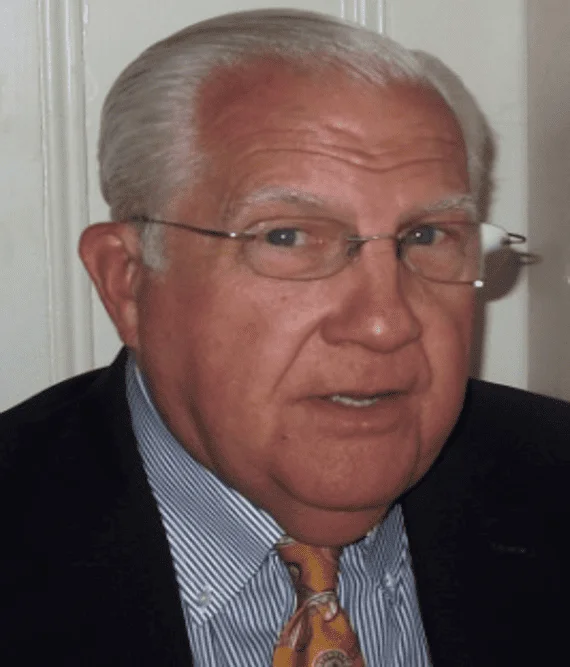
About the Author
Thomas R. Giddens is a seasoned development executive and fundraising strategist with leadership experience across higher education, performing arts, healthcare, environmental, and cultural institutions.
He has served as Chief Development Officer at two institutions of higher education, including one with a campus and fundraising program based in London, as well as Director of Planned Giving at a major university. His leadership experience also includes serving as chief development officer for a major orchestra and the fifth largest performing arts center in the United States.
Through his consulting practice, TRG Consulting, he has advised public and private institutions nationally and internationally on feasibility studies, pre-campaign planning, campaign management, digital fundraising strategy, and the integration of annual, major, and planned giving programs.
His work centers on strengthening institutional alignment, governance discipline, and donor confidence as foundations for long-term philanthropic success.



Start with a free Impact Readiness
Review and uncover what’s holding
your systems back.