Resources / Insights
Why Messaging Is Quietly Killing Your Legacy Pipeline
What nonprofits keep getting wrong about one of their most important income streams
By Susan Hughes
Legacy fundraising is one of the most valuable income streams a nonprofit can build, and one of the most consistently misunderstood. I have worked with charities where legacy gifts accounted for up to 66 percent of total income. At well-known UK organizations working in animal welfare, conservation, and disability, legacies represent 40 to 50 percent of income (Legacy Futures Data Dashboards, 2025). The UK legacy market in 2025 was valued at £4.4 billion (Legacy Futures and Smee & Ford, 2026). These are not marginal numbers. They are often the difference between an organization that survives and one that thrives.
And yet, I meet charity leaders regularly who undermine their own legacy programs before they have properly begun, because they approach this income stream with a short-term mindset that cuts against how legacy giving actually works.
The 18-Year Relationship
The first thing most leaders do not understand about legacy fundraising is the timeline. From the first piece of legacy marketing a supporter receives to that gift coming into fruition takes, on average, 18 years (OKO Summary Report, 2025). Eighteen years. That number alone should reframe how any organization thinks about this work.
What it tells us is that legacy donors do not give in the transactional way we sometimes assume. These are not people who received a campaign letter, ticked a box, and moved on. They have a lifetime relationship with your cause. In many cases, they know your charity better than your own staff does, because for them it is not a job. It is a reflection of their values. It is something they believe in deeply enough to give away the savings of a lifetime.
I want to illustrate what that level of commitment looks like. At one charity I worked for, we discovered a hospital porter in our donor base. He did not earn very much. He lived frugally and saved everything he could. When he died, he left 100 percent of his estate, the entire sum of his life's work, to an animal welfare charity. Not because someone asked him at the right moment. Because he had spent years building a relationship with that cause and it had become part of who he was.
That is what a legacy gift is. It is not a gift on death. It is a lifetime decision, made and refined over many years.
The Will Is Updated More Than Once
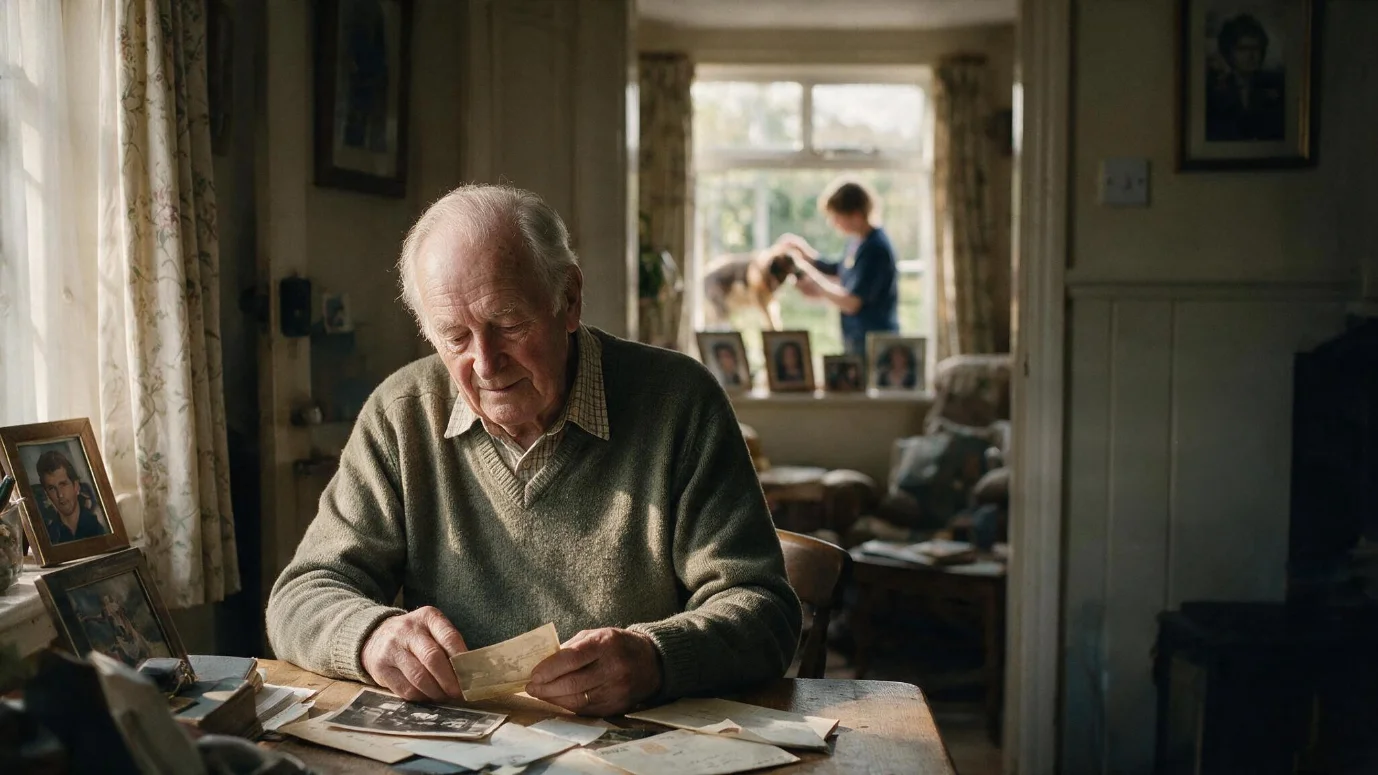
The average time between a person's last will and their date of death is just under seven years (Legacy Futures Marketing Evaluation). A will is not written once and left unchanged. It is revisited at retirement, after an inheritance, after the death of a loved one, after any significant life transition.
Each of those moments is an opportunity for a charity to deepen a relationship with a potential donor. I recently spoke with a man in his early 70s who redirected £50,000 from his late mother's estate to a charity he had long supported, as both a tribute to her memory and a legacy gift of his own. That kind of giving sits at the intersection of in-memory giving and legacy giving, two income streams that work together far more often than charities treat them as separate things.
Neuroscience research by Russell N. James III and Michael O'Boyle (2014) found that legacy gift decisions are deeply tied to how donors construct their own life story, engaging brain regions associated with autobiographical memory and self-concept. Building on this, James and Routley (2016) found that people are more likely to make a legacy gift when asked not just whether they would leave a gift in their will, but whether they would do so in memory of someone close to them. The memory dimension meaningfully increases the response. Which means when we think about stewardship, we should be thinking about the whole of a donor's life, not just their relationship to our cause in isolation.
Why Short-Term Messaging Destroys Legacy Pipelines
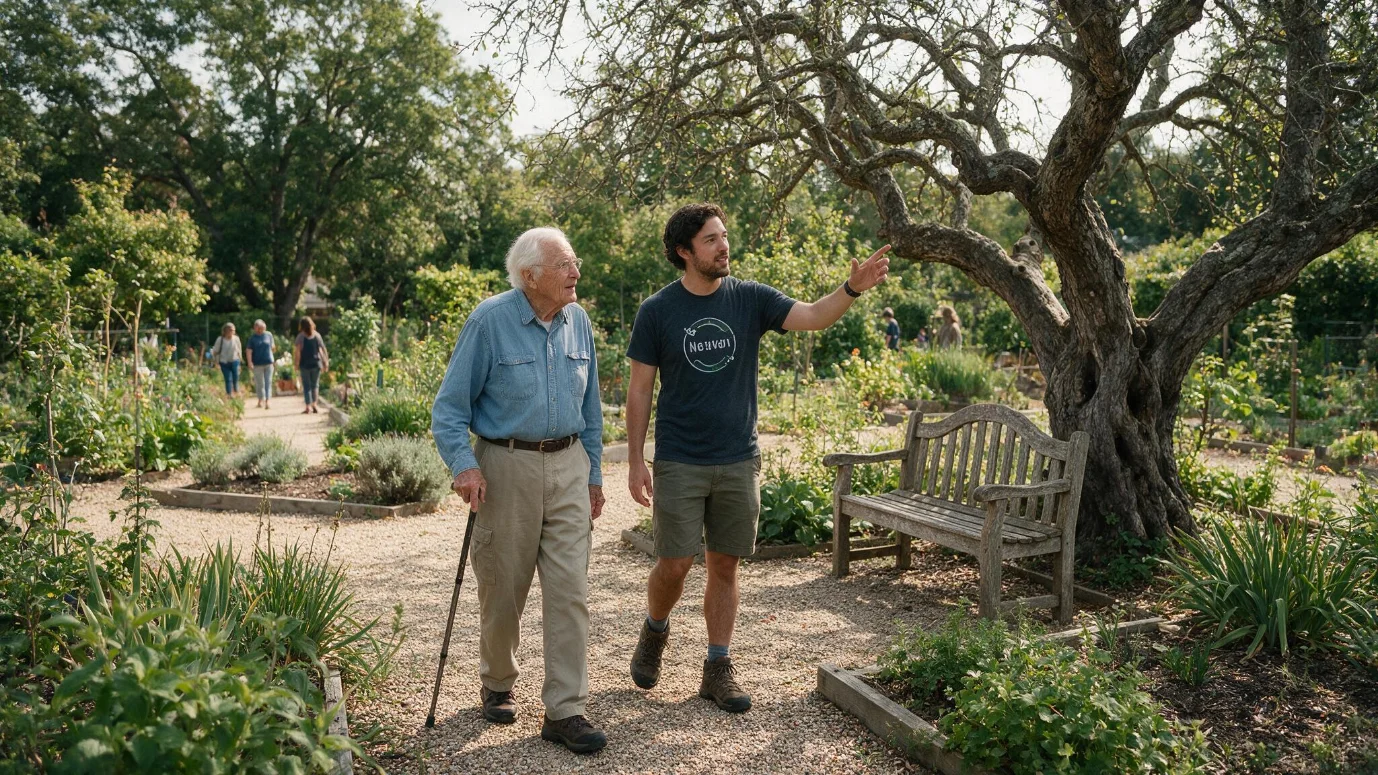
This is where I see organizations make their most damaging mistakes. A charity leader comes to me excited about legacy fundraising, and in the same breath tells me they need results in the next five years because they plan to hand the problem over to a government body once it is solved.
I have to be direct with them: that messaging will not work. It actively destroys the legacy pipeline.
Put yourself in the donor's position. You have spent years believing in a cause. You are considering giving everything you have saved to ensure it continues long after you are gone. And then the charity tells you it expects to wrap up in five years and transition out. Would you make that commitment?
Legacy donors want to know their contribution will carry lasting significance. They are not funding a project. They are buying into a vision of the world 20 years from now. The messaging has to reflect that. It has to be abstract enough to hold meaning across time, not tied to short-term targets that inflation, world events, and organizational change will make impossible to honor. And the legacy ask itself should be unrestricted, so the organization retains the flexibility to use that gift as wisely as possible when the time comes.
Three Things Every Organization Needs to Get Right
Over the years, I have distilled legacy fundraising into three essentials. Get these right and you will build a program that compounds. Miss any one of them and you will be leaving significant income unrealized.
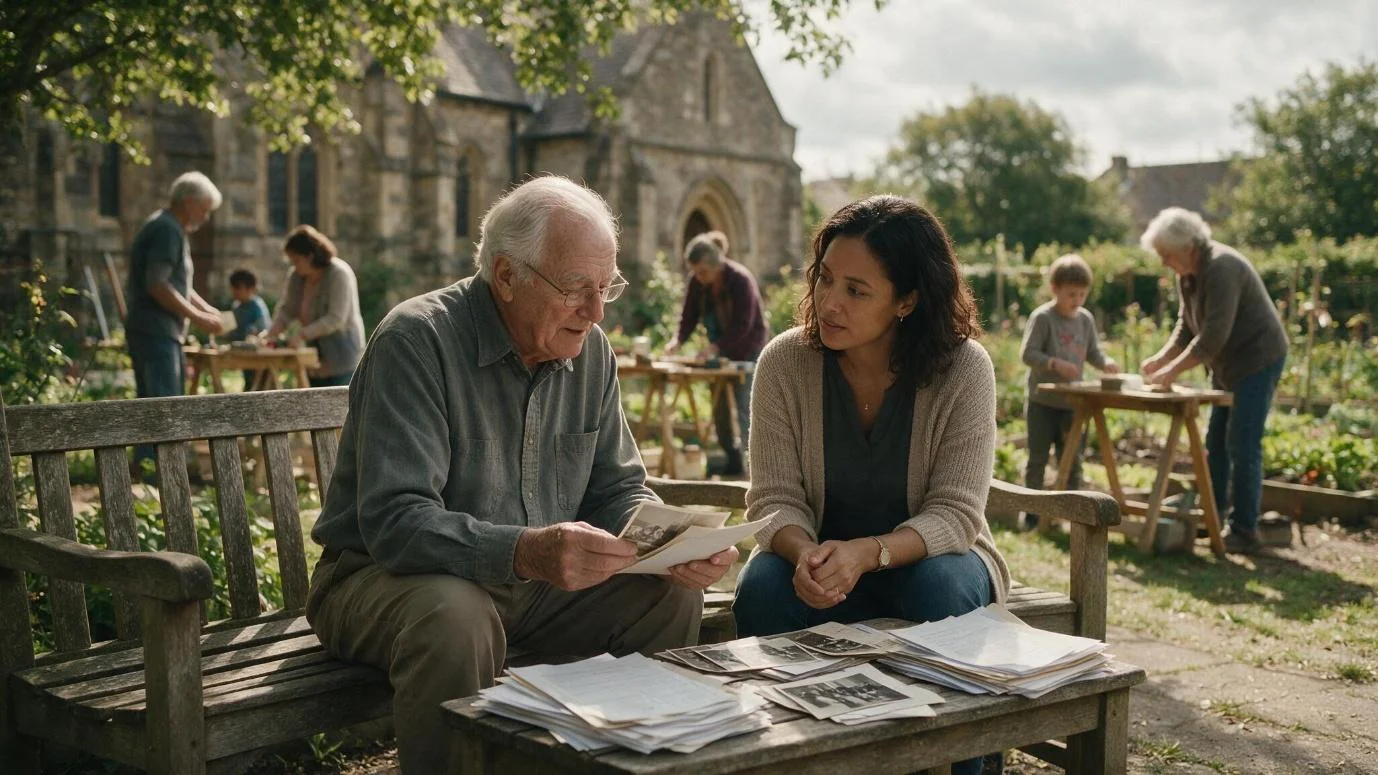
The first is internal messaging. Before you go anywhere near your supporters, everyone inside your organization needs to understand and be able to speak to your legacy message. Everyone, from the chief executive to the receptionist, the security team, the volunteers.
Here is why that matters personally to me. I have pledged 5 percent of my own will to a museum that is close to my heart. Part of the reason traces back to a single moment when I was 17, visiting for the first time. A receptionist saw that I did not have much money and waved me in. She asked about what I was studying, took a genuine interest. That interaction stayed with me. Years later, it became a dream of mine to work at that museum. I was fortunate enough to do exactly that. More than a decade after I left, they are still in touch, still inviting me to events, and I still feel part of the community.
Now imagine I had been an older supporter who told that receptionist I was thinking of leaving a gift in my will. If she had been prepared to say, "Let me connect you with the right person," that conversation could have started a major legacy relationship. I have had the opposite experience at other organizations, where a staff member actually told me, "We're too small, you'd be better off not giving us a legacy." One person, one response, and the gift is gone before it was ever properly considered.
Your entire organization is your legacy program. Train them to understand that.
The second essential is making the practicalities easy. A legacy gift will never come to fruition if the donor has not actually drafted a will with a qualified solicitor. Your job is to remove every barrier to that happening. In the UK, this means getting involved with networks like Remember a Charity and participating in Free Wills Week, which allows supporters to access free will-drafting services. My own parents made a legacy gift to a rescue charity through exactly this kind of program. I am genuinely uncertain they would have gotten around to it otherwise.
Always remind supporters to work with a qualified legal advisor. Every person's circumstances are different, and a charity's role is to encourage and inform, not to provide legal guidance. But the more friction you remove from the process of writing a will, the more legacy commitments will follow.
The third essential is stewardship, and I cannot overstate this. You will never meet many of your legacy donors in person. Some of them will never tell you in their lifetime that they have pledged a gift. They may not give regularly. They may look like ordinary supporters in your database. But every single supporter is a potential legacy pledger, and every one of them deserves to be treated with that in mind.
Good stewardship does not have to be expensive. Phone calls, personal emails, short videos from the team, invitations to local events, a visit to their region when you are traveling. I used to do road trips around the UK, stopping in different areas and letting supporters know I would be nearby if they wanted to meet. Many took me up on it, and the ones who showed up were almost always the ones who most wanted to stay connected to the work.
One of the most memorable stewardship events I ever ran was at the Jewelry Museum in Birmingham's Jewelry Quarter. Forty people came on a private tour. By the end of the evening, people were walking up to me with copies of their wills. That is what happens when you create an experience that is not about death but about the living impact of a cause people genuinely love.
Stewardship also has a compounding effect. A pecuniary gift of £1,000 can grow to £10,000. It can become 1 percent of an estate, then 20, then 25 (OKO Summary Report, 2025). That journey does not happen without sustained, thoughtful engagement over years. Start now, and stay with it.
Legacy fundraising is not a quick win. It never was. But if you are thinking 18 years ahead, building a culture of internal advocacy, making it easy for people to take that legal step, and stewarding them through the years that follow, you are building something most charities never achieve: genuine long-term income stability, and a community of supporters who believe in your cause enough to leave it their life's work.


About the Author
Susan Hughes works with mission-led organisations across the UK, Europe, and Southeast Asia, bringing a breadth of experience across the private, public, and nonprofit sectors. With a background in law and social work, she offers a distinctive, systems-level perspective on income, governance, and impact. An award-winning fundraiser who has led high-performing teams, Susan is known for helping organisations step back, see the bigger picture, and approach complex challenges from a different angle. She supports leadership teams to understand what is working, what is not, and where they want to go, and to shape strategies that are effective in the short term and sustainable over time. With a focus on partnerships and innovative funding approaches, she helps organisations connect income, impact, and capital, while keeping people and relationships at the heart of long-term change.



Start with a free Impact Readiness
Review and uncover what’s holding
your systems back.