Resources / Insights
From Corporate Social Responsibility to Shared Value
Why sustainability must be embedded, not bolted on
By TrixieAnn Golberg
Sustainability is no longer something organizations can treat as a side initiative or a branding exercise. It is increasingly shaping how value is defined, how risk is managed, and how organizations contribute to long-term societal resilience. The shift from traditional Corporate Social Responsibility (CSR) to shared value is not just a language change. It reflects a deeper rethinking of how institutions operate and how they work with others.
Initially, CSR lived on the margins. It showed up as philanthropy, community outreach, or compliance. These were important efforts, but often disconnected from core business strategy. Today, Environmental, Social, and Governance (ESG) frameworks are pushing organizations to integrate these concerns more fully. Still, when ESG is treated primarily as a reporting requirement rather than a guide for decision-making, it can quickly become more about optics than impact.
Real progress depends on something more fundamental: alignment. Governance, operations, and partnerships need to reinforce, not contradict, each other. Without that, sustainability efforts tend to be scattered, short-lived, and less effective than intended.
The Parallel Universes Are Converging
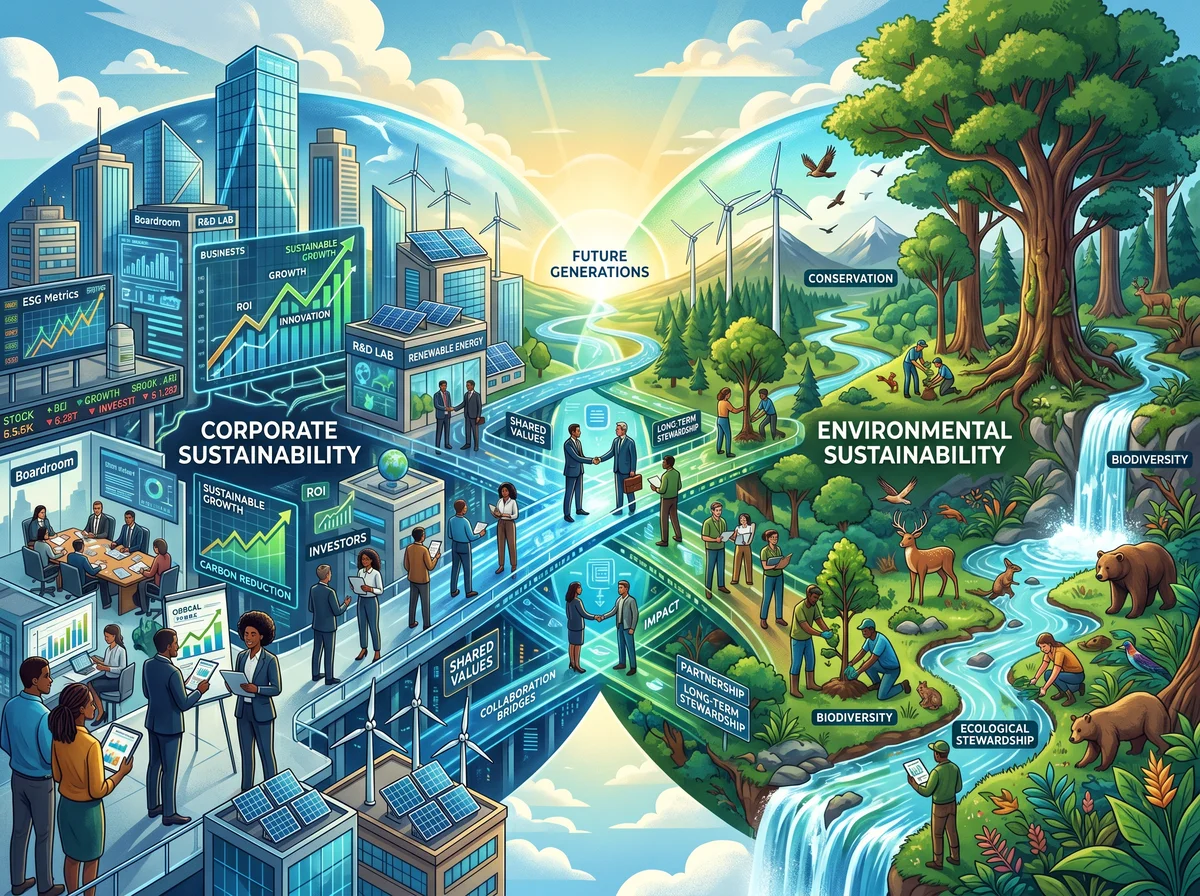
Corporate sustainability and environmental sustainability have often operated in separate worlds. One has been driven by risk, reputation, and investor expectations; the other by ecological limits, systems thinking, and long-term stewardship.
That divide is narrowing.
Organizations are now facing shared pressures: climate disruption, supply chain vulnerabilities, regulatory change, and rising stakeholder expectations. As a result, there is more overlap, more dialogue, and more opportunity for meaningful collaboration. The challenge is not whether to engage, but how to choose the right opportunities: those that strengthen mission, build resilience, and lead to measurable outcomes without losing focus.
Where Collaboration Works, and Where It Breaks Down
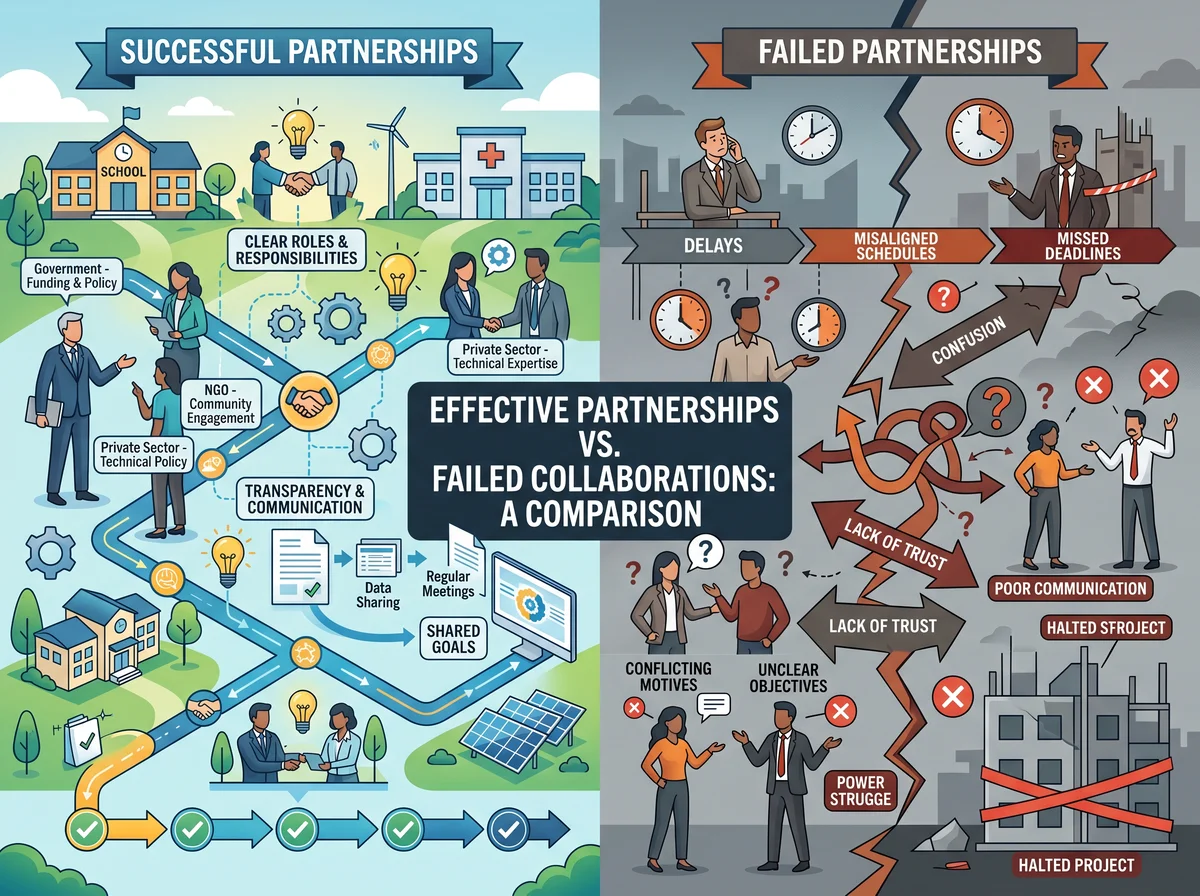
Public-private and NGO partnerships are often held up as the path forward. Sometimes they are. But their success usually depends on what is happening beneath the surface.
They tend to work when:
- There is a genuinely shared outcome, not just a loosely aligned set of interests.
- Each partner understands its role within a larger system.
- There is enough structure in place to support transparency, accountability, and course correction when needed.
They tend to fall apart when:
- Timelines, incentives, or definitions of success do not match.
- Sustainability is treated as an add-on instead of part of core operations.
- Internal confusion or misalignment spills into the partnership.
No partnership can fix what is not working internally.
The Five Conversations That Matter
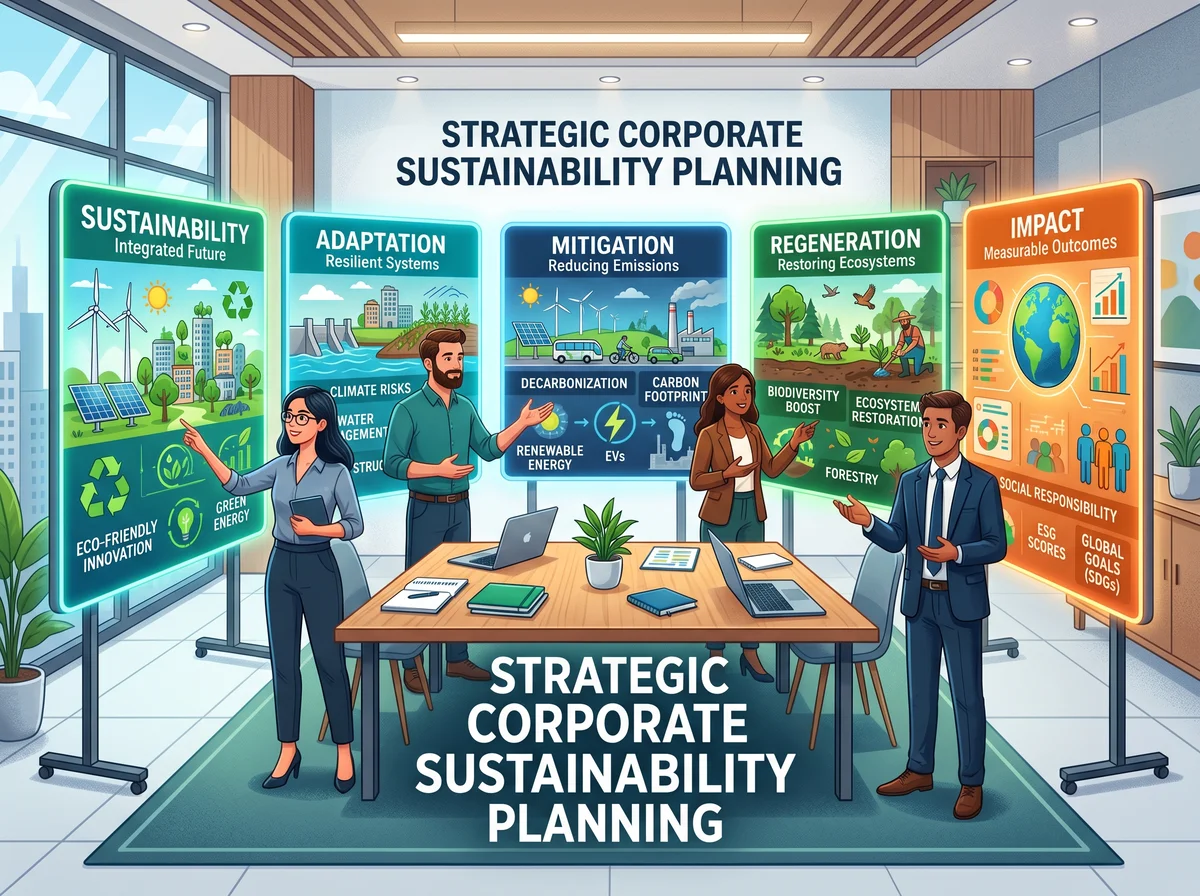
Before organizations can have a meaningful external impact, they need to do some internal work. That starts with a set of ongoing conversations. Not one-time strategy sessions, but continuing points of alignment.
- Sustainability What does sustainability actually mean in day-to-day decisions? Where does it sit in the organization, and who is accountable for it?
- Adaptation How prepared are you for disruption, whether climate-related, economic, or social? Resilience requires more than continuity planning. It requires acknowledging where you are vulnerable.
- Mitigation What are you actively trying to reduce: emissions, waste, risk? And how are you measuring progress in concrete terms?
- Regeneration Are you only trying to do less harm, or are you contributing to something positive: restoring ecosystems, strengthening communities, rebuilding social capital?
- Impact What is actually changing because of your efforts? How do you know? And are you willing to adjust when results fall short?
Alignment Before Action
It is common for municipalities, social enterprises, and companies to move quickly into partnerships without first getting aligned internally. But the strongest collaborations are built on clarity and consistency from within.
Areas that often need attention:
- Governance: Who makes decisions, and how are trade-offs handled?
- Success measures: Are people aligned around long-term value, or still driven by short-term results?
- Language: Do partners mean the same thing when they talk about outcomes and impact?
- Capacity: Is there enough expertise and follow-through to deliver on commitments?
Without this groundwork, even well-designed partnerships can struggle to produce lasting results.
From Performance to Practice
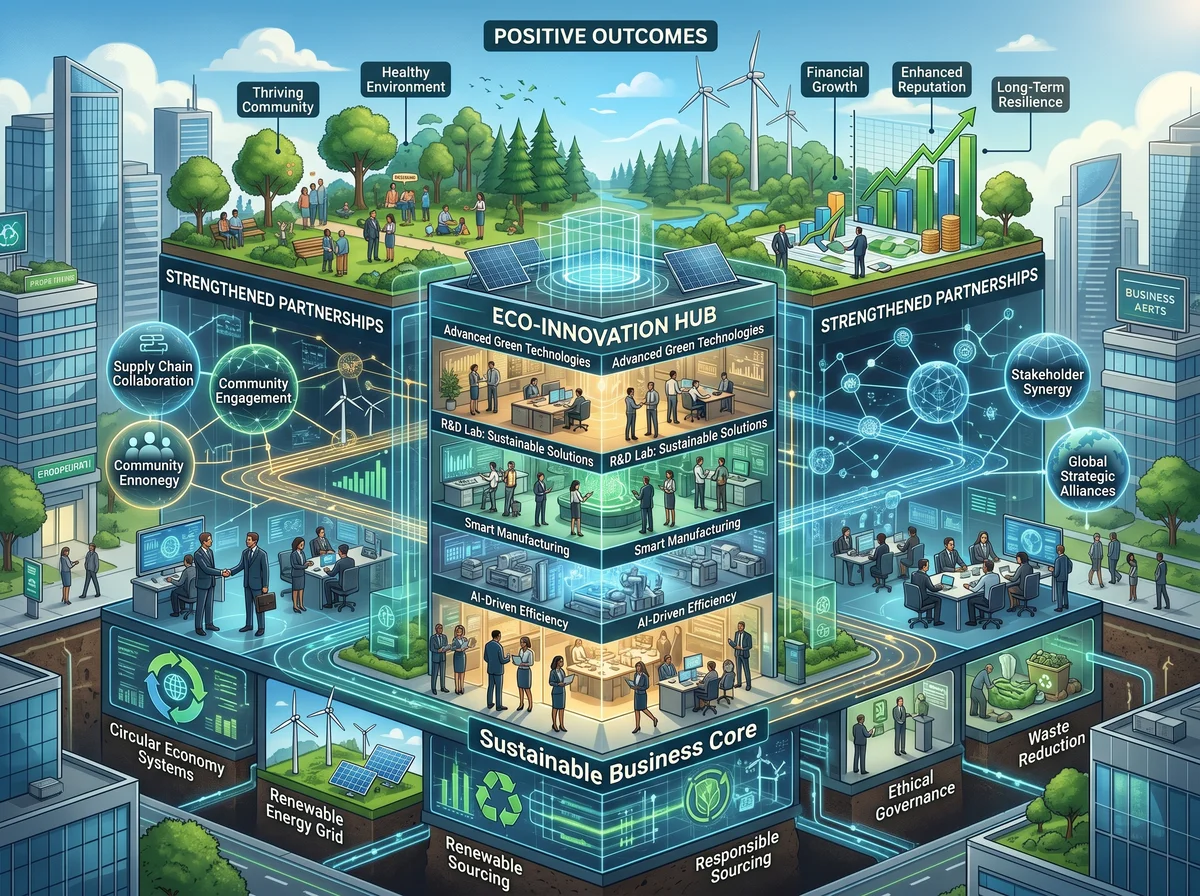
One of the risks in the current environment is that sustainability becomes more about appearance than substance: highly visible, well-communicated, but not deeply integrated. This tends to happen when ambition outpaces governance.
Embedding sustainability is harder. It involves trade-offs, difficult decisions, and sustained effort over time. It also asks organizations to take an honest look at how they operate and where they may be falling short.
But the upside is real. When sustainability is built into how an organization actually functions, it can drive innovation, strengthen partnerships, and create shared value that goes beyond incremental improvement. At its best, it contributes to more equitable and resilient systems. Not just "less harm," but genuinely better outcomes.
Opening the Right Conversations
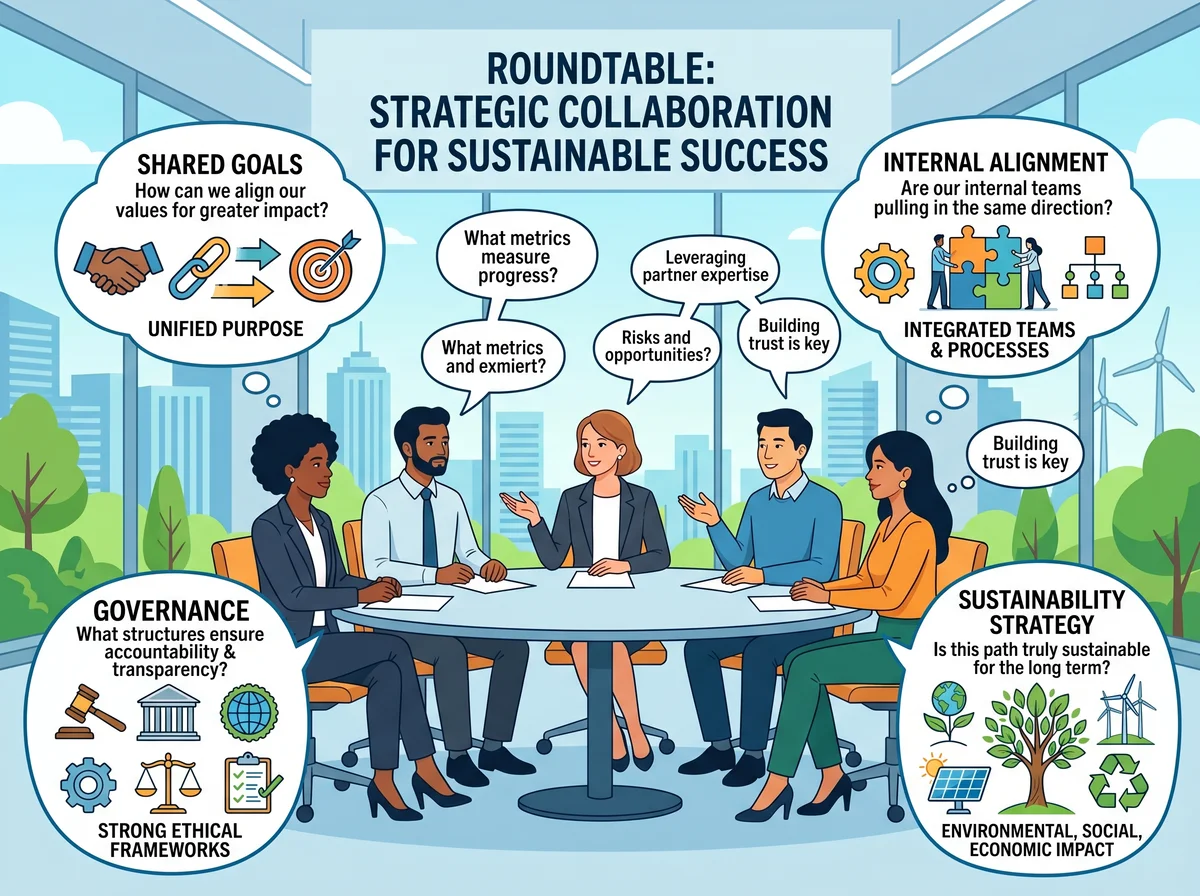
We are operating in a moment where expectations, language, and frameworks are all shifting. CSR has given way to ESG; philanthropy to impact; compliance to accountability.
What has not changed is the underlying challenge: aligning different priorities, systems, and stakeholders in a way that leads to real progress.
That starts with better questions:
- What shared goals truly matter?
- How do we pursue them without compromising core values?
- What needs to be aligned internally before we look outward?
- How do we make sustainability part of governance, not an add-on to strategy?
- Are we ready to learn and adjust along the way?
These conversations are not easy, but they are necessary. They shape whether sustainability becomes a genuine driver of change, or just another layer of performance.

About the Author
TrixieAnn Golberg is a senior consultant and interim executive with three decades of executive leadership across philanthropy, community development, health and human services, and social enterprises.
She has served as CEO and foundation president, led complex organizations through transition and growth, managed multi-million-dollar budgets and endowments, and built high-performing cultures during periods of organizational redesign.
TrixieAnn partners with nonprofit, social innovation, and public-sector leaders to drive organizational transformation, revenue growth, governance clarity, and operational strength. Her sector experience spans housing and homelessness, workforce development, higher education, health systems, climate adaptation, and international development.
Her work centers on aligning mission clarity with financial and operational discipline to create resilient, impact-driven enterprises.




Start with a free Impact Readiness
Review and uncover what’s holding
your systems back.